Who is responsible clinically?
The treating clinic and clinician should be identifiable, licensed and responsible for assessment, consent, treatment and clinical aftercare.

Specialty overview
General surgery in Turkey should start with a confirmed diagnosis and a clear reason for operating. Hernia, gallbladder, anorectal and other procedures require different investigations, anaesthesia and recovery plans. The written plan should explain alternatives, operative approach, possibility of changing technique, wound or pathology follow-up, medicines, warning signs, activity restrictions and when return travel is clinically appropriate.

Treatments
Compare diagnosis, operative scope, hospital stay, wound care, pathology follow-up and safe return-travel timing.
Anal fissure surgery treats a persistent anal fissure when conservative treatment has not been sufficient and the surgeon identifies an appropriate operative option.
View treatment guide →
Anal fistula surgery treats an abnormal tract between the anal canal and skin using a technique chosen to control infection while protecting continence.
View treatment guide →
Femoral hernia repair closes a hernia through the femoral canal using an open or minimally invasive technique selected by the surgeon.
View treatment guide →
Hemorrhoid surgery treats selected symptomatic haemorrhoids using excisional or other procedural techniques when non-operative care is insufficient.
View treatment guide →
Hiatal hernia repair restores the stomach and diaphragmatic opening to a more normal position and may include an anti-reflux reconstruction when indicated.
View treatment guide →
Inguinal hernia repair closes a groin hernia using an open or minimally invasive approach, often with mesh depending on the clinical plan.
View treatment guide →
Laparoscopic cholecystectomy removes the gallbladder through small abdominal incisions, commonly for symptomatic gallstones or related gallbladder disease.
View treatment guide →
Pilonidal sinus surgery removes or treats a chronic sinus in the cleft between the buttocks using a wound strategy chosen for the extent and recurrence pattern.
View treatment guide →
Umbilical hernia repair closes a defect around the navel using sutures or mesh depending on defect size and patient factors.
View treatment guide →
Ventral or incisional hernia repair reconstructs an abdominal-wall defect from a primary or previous-surgery site using a tailored open or minimally invasive plan.
View treatment guide →Guides & insights
Read more about treatment, planning, recovery, travel and follow-up.
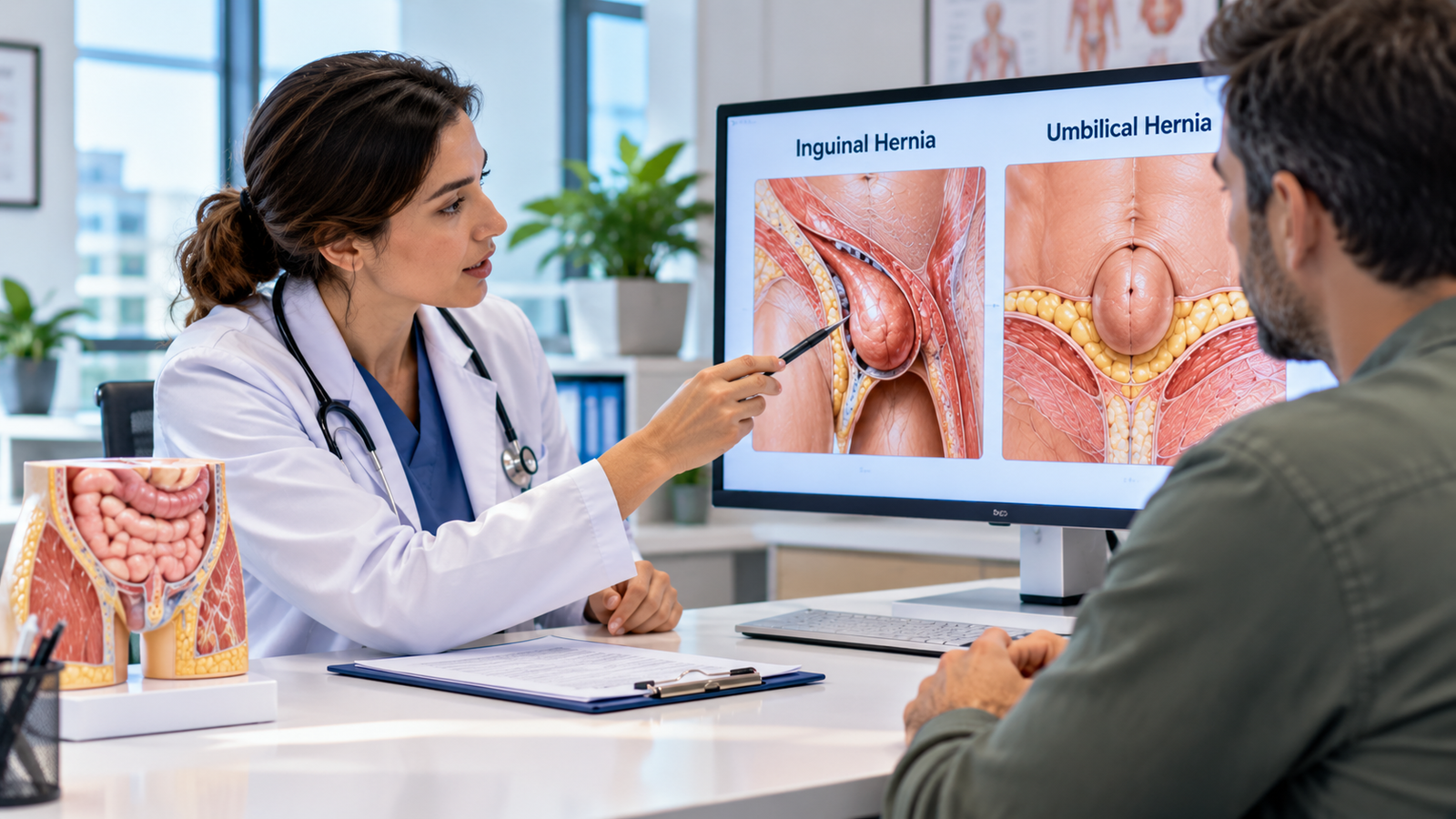
Hernia surgery in Turkey: compare inguinal and umbilical repair, open vs minimally invasive surgery, mesh, watchful waiting, recurrence and travel planning.
Read article →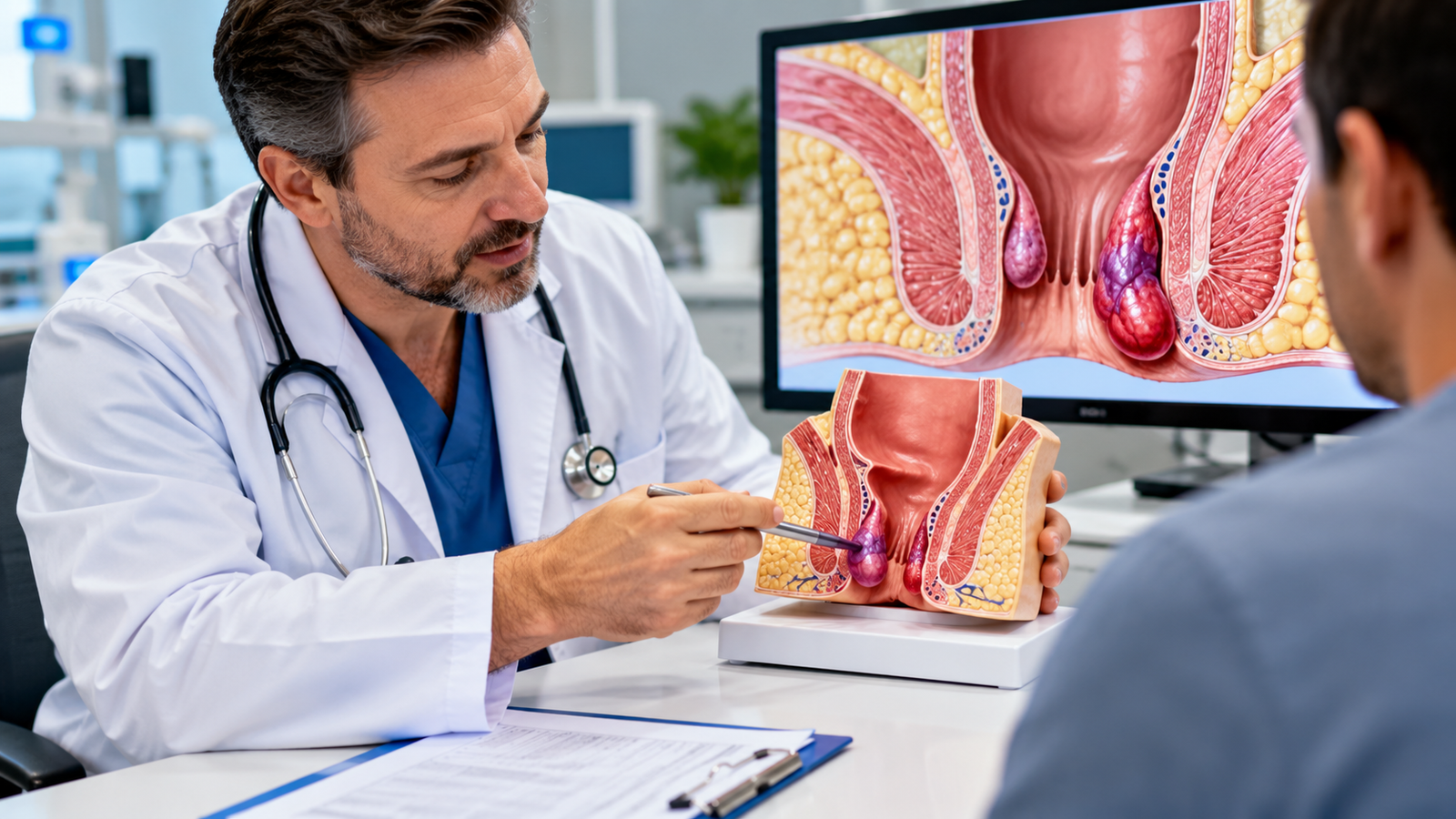
Hemorrhoid removal in Turkey: understand banding, excisional hemorrhoidectomy, other procedures, pain, bleeding, recurrence and how to compare a written plan.
Read article →
Gallbladder removal in Turkey: when laparoscopic cholecystectomy is used, diagnosis, risks, recovery, diet, travel and follow-up after surgery.
Read article →Decision snapshot
The treating clinic and clinician should be identifiable, licensed and responsible for assessment, consent, treatment and clinical aftercare.
The treating clinic should explain suitability, alternatives, what could change after examination and where uncertainty remains.
The written scope should separate treatment, diagnostics, medicines, accommodation, transfers and anything that may cost extra.
You should know the expected milestones, warning signs, review schedule, records you receive and the route for urgent questions.
Your next step
Tell us what you are considering and we will organise the next sensible step without pushing you to book.
Start Treatment Enquiry →