If you are considering a tummy tuck after gastric sleeve, the key question is not simply how many months have passed since the bariatric operation. The more useful questions are whether most of your intended weight loss has occurred, whether your weight has remained stable, whether nutrition is adequate for wound healing, what type of excess abdominal tissue remains and whether your general health makes another major operation appropriate. Bariatric and plastic-surgery guidance commonly places post-weight-loss body contouring after weight has stabilised, often around 12 to 18 months after bariatric surgery, with some reviews using at least 3 to 6 months of stable weight as a practical marker. That is a planning framework, not an automatic clearance date. Start with the clinical details on our Tummy Tuck / Abdominoplasty page, then let the plastic surgeon and bariatric team confirm whether the timing is appropriate for you.
When Can Abdominoplasty Be Done After Sleeve Surgery?
The strongest recurring principle in post-bariatric body-contouring literature is weight stability. A long-standing bariatric guideline states that body-contouring surgery is best pursued after weight loss has stabilised, commonly around 12 to 18 months after bariatric surgery. Other reviews describe patients becoming suitable around one year after weight-loss surgery when weight has been stable for roughly 3 to 6 months. Cleveland Clinic guidance similarly advises waiting until goal weight has been reached and maintained for at least six months.
These timeframes should not be treated as a countdown. One person may reach a stable, maintainable weight sooner, while another may still be losing substantially at 18 months. Ongoing weight loss can create additional skin laxity after an abdominoplasty, and substantial regain can stretch the result again. The more relevant milestone is a stable weight that you and your bariatric team believe you can realistically maintain.
The plastic surgeon should also confirm that you have recovered adequately from the sleeve operation itself, that your medical conditions are controlled and that your nutritional status supports another major operation. A calendar date alone cannot answer those questions.
Why Weight Stability Matters More Than The Exact Month
Abdominoplasty is a body-contouring operation, not a second weight-loss procedure. It removes selected excess abdominal skin and soft tissue and, when clinically appropriate, may tighten the abdominal wall. If surgery is performed while body weight is still changing substantially, the amount and position of excess tissue may continue to change after the operation.
Stable weight also helps the surgeon plan the scar, skin removal and abdominal contour more accurately. If you lose a significant amount of weight after the tummy tuck, new laxity can appear. If you regain a substantial amount, the abdominal skin and soft tissues can stretch again.
The American Society of Plastic Surgeons lists stable weight, good general health and not smoking among important features of a suitable tummy-tuck candidate. Those factors are particularly relevant after bariatric surgery because the body has already been through major metabolic and nutritional change.
Will I Need Abdominal Skin Surgery After Sleeve Surgery?
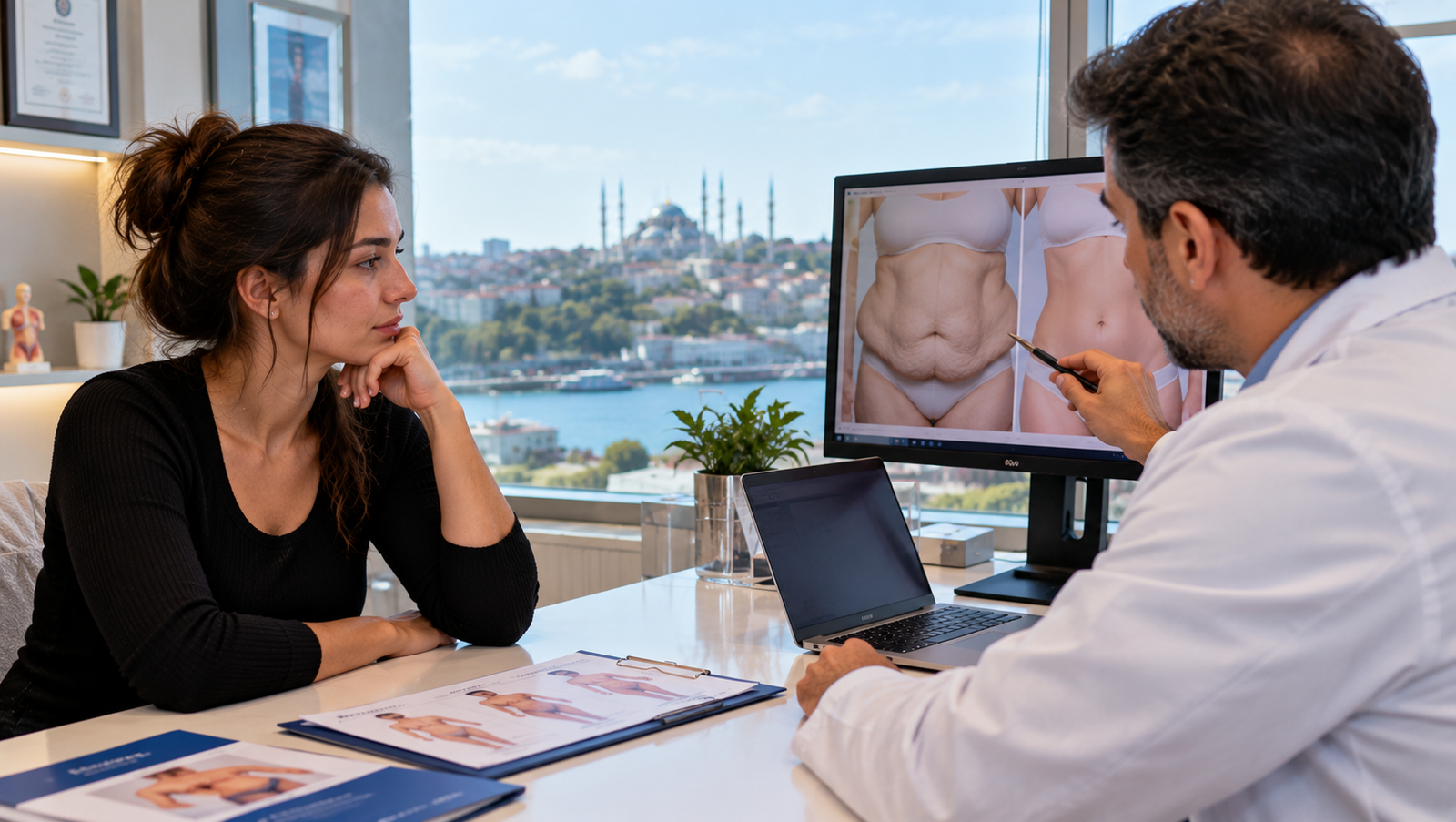
No. Gastric sleeve surgery does not automatically mean you will need or want an abdominoplasty. After major weight loss, skin and soft tissues often do not fully contract to the smaller body size, but the amount of loose skin varies widely. Some people have a significant hanging abdominal fold, while others have relatively mild laxity that does not bother them enough to consider surgery.
The decision is based on symptoms and goals, not on the fact that you had a sleeve. Excess skin may cause rubbing, recurrent irritation, difficulty with hygiene, problems with clothing or dissatisfaction with abdominal contour. Other patients have loose skin but prefer not to undergo another operation.
Exercise can improve strength, posture and abdominal muscle conditioning, but it does not surgically remove a true fold of redundant skin. At the same time, not every abdominal contour concern is caused by loose skin. Residual fat, abdominal-wall laxity, muscle separation, hernia or a combination can produce different shapes and may require different treatment.
Excess Skin, Residual Fat And Abdominal-Wall Laxity Are Different Problems
After gastric sleeve surgery, the abdomen may contain several different components: loose skin, remaining subcutaneous fat, stretched abdominal wall or muscle separation, old scars and sometimes a hernia. A tummy tuck can address some of these problems, but the exact operation must be selected after examination.
A full abdominoplasty may remove a larger skin segment and reposition the navel, while a more limited operation may address a smaller lower-abdominal area. Some patients may need a broader body-contouring procedure because excess skin extends around the flanks or back rather than being confined to the front of the abdomen.
This is why photographs and weight history are useful but not enough for a final plan. The surgeon needs to examine tissue quality, skin distribution, abdominal-wall function, scars and any possible hernia before defining the operation.
Nutrition After Gastric Sleeve Is Part Of Surgical Candidacy
Sleeve gastrectomy causes less malabsorption than some bypass operations, but nutritional problems can still occur because food intake is reduced and some patients develop intolerance to particular foods. A recent plastic-surgery review focused on post-weight-loss body contouring notes that sleeve patients can still develop deficiencies in iron, vitamin B12 and protein. Broader post-bariatric evidence also identifies vitamin D, zinc and other micronutrient deficiencies in some patients.
This matters because abdominoplasty creates a long surgical wound and requires reliable tissue healing. Protein and micronutrient deficiencies, anaemia or poor overall intake may lead a surgeon to delay body-contouring surgery until the problem is investigated and corrected.
Do not start high-dose supplements on your own simply because you want to qualify for surgery. The bariatric or surgical team should decide what needs testing and what replacement is appropriate.
What Blood Tests May Be Reviewed Before A Post-Sleeve Tummy Tuck?
There is no single laboratory panel that every surgeon must use, but post-bariatric body-contouring studies commonly review blood count, iron status, albumin or other markers of protein status, folate, vitamin B12 and vitamin D. Additional tests may be added according to symptoms, bariatric history and the planned operation.
A prospective study of patients presenting for body contouring after bariatric surgery found clinically relevant rates of inadequate protein intake, low albumin, iron deficiency and vitamin B12 deficiency. More recent literature continues to emphasise nutritional screening before body-contouring surgery after major weight loss.
The goal is not to obtain “perfect” numbers for cosmetic reasons. It is to identify correctable problems that could affect wound healing, anaesthesia, recovery or long-term health before another elective operation.
Body Mass Index, Smoking And Other Conditions Can Change Risk
Post-bariatric patients are not all the same surgical risk. Studies of body contouring and abdominoplasty after major weight loss identify higher body mass index, smoking, diabetes and some other health factors as contributors to complications. A history of bariatric surgery itself may also be associated with greater wound-healing complexity in some patient groups.
The surgeon may therefore discuss your current body mass index, weight trend, diabetes control, blood pressure, previous blood clots, smoking or nicotine use, medicines and previous abdominal operations. These factors help determine whether surgery should proceed, be postponed or be modified.
Smoking and nicotine are especially important because they can impair blood supply to healing tissues. If the surgeon requires a nicotine-free period, follow the specified timeframe rather than assuming that reducing cigarettes is equivalent to stopping.
Old Sleeve-Surgery Scars And Hernias Need To Be Examined
Laparoscopic sleeve gastrectomy usually leaves several small abdominal scars. These do not automatically prevent a tummy tuck, but previous scars are part of surgical planning because they can affect incision placement and tissue blood supply.
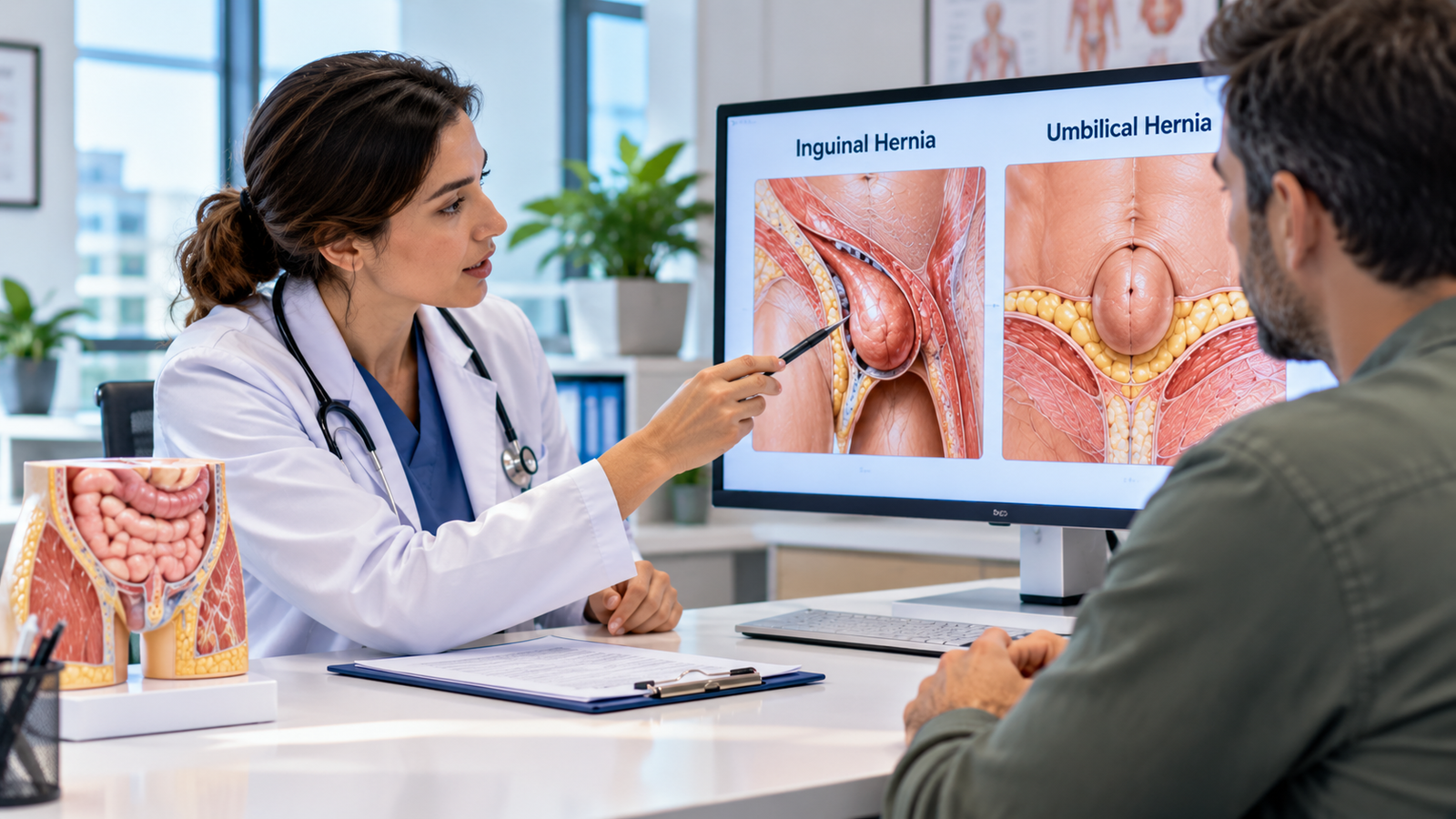
Some post-weight-loss patients also have an abdominal-wall or incisional hernia. A suspected hernia should be assessed before cosmetic contouring because it can change the operation, require another surgical specialist or alter the risk and recovery plan.
Tell the plastic surgeon about every previous abdominal operation, not only the gastric sleeve. Bring operative reports if available, particularly if you have had hernia repair, open abdominal surgery, gallbladder surgery or previous cosmetic procedures.
Tummy Tuck, Panniculectomy And Body Lift Are Not The Same Operation
A tummy tuck generally removes excess abdominal skin and may include tightening of the abdominal wall when indicated. A panniculectomy is more specifically focused on removing a hanging lower-abdominal apron of skin and tissue. A lower-body lift addresses tissue more circumferentially around the trunk.
After substantial weight loss, the correct operation depends on where the excess tissue is located and what problem you want to solve. Someone whose main issue is a heavy hanging fold with recurrent skin irritation may have different priorities from someone seeking broader waist and abdominal contouring.
Do not assume that the procedure named in an online package is automatically the procedure that fits your anatomy. Ask the surgeon to explain why the proposed operation matches your skin pattern, scars, abdominal wall and goals.
Future Pregnancy And Major Weight Change Can Affect The Result
Future pregnancy is not automatically prohibited after a tummy tuck, but pregnancy can stretch the abdominal wall and skin again and change the cosmetic result. If pregnancy is planned in the near future, the surgeon may advise discussing whether body contouring should wait.
The same principle applies to expected major weight change. If you are still actively losing weight after the sleeve, or if the bariatric team expects further substantial loss, delaying the tummy tuck may produce a more predictable long-term result.
These decisions are personal and clinical. The purpose is not to demand an exact lifetime weight, but to avoid planning a major contouring operation during a phase of rapid body change.
One Operation May Not Address All Post-Weight-Loss Skin
Major weight loss can affect the abdomen, flanks, breasts, arms, thighs and back. Body-contouring literature describes treatment as a process that may involve more than one operation rather than a single procedure for every area.
Combining several procedures may reduce the number of separate operations, but it can also increase operating time, recovery demands and surgical risk. The surgeon should decide whether procedures are appropriate to combine or safer to stage.
Do not choose a large combination simply because it is offered as a package. Ask what each added procedure contributes, how it changes blood-clot risk, wound burden, mobility, hospital stay and return-travel timing.
Abdominoplasty After Sleeve Surgery Is Not A Weight-Loss Shortcut
An abdominoplasty removes selected skin and tissue; it is not designed to replace ongoing bariatric care or produce major additional weight loss. Your gastric sleeve follow-up, nutrition, activity plan and metabolic monitoring continue even if you later have cosmetic body contouring.
If you are still struggling with significant weight regain, persistent vomiting, poor intake, unresolved reflux, severe anaemia or another bariatric problem, those issues may need attention before elective plastic surgery. The bariatric team and plastic surgeon should not work as if they are managing unrelated bodies.
A good post-bariatric plan connects the two specialties: the bariatric team understands the weight and nutritional trajectory, while the plastic surgeon assesses the anatomy, operative risk and body-contouring options.
Travel To Turkey Adds A Separate Recovery Plan
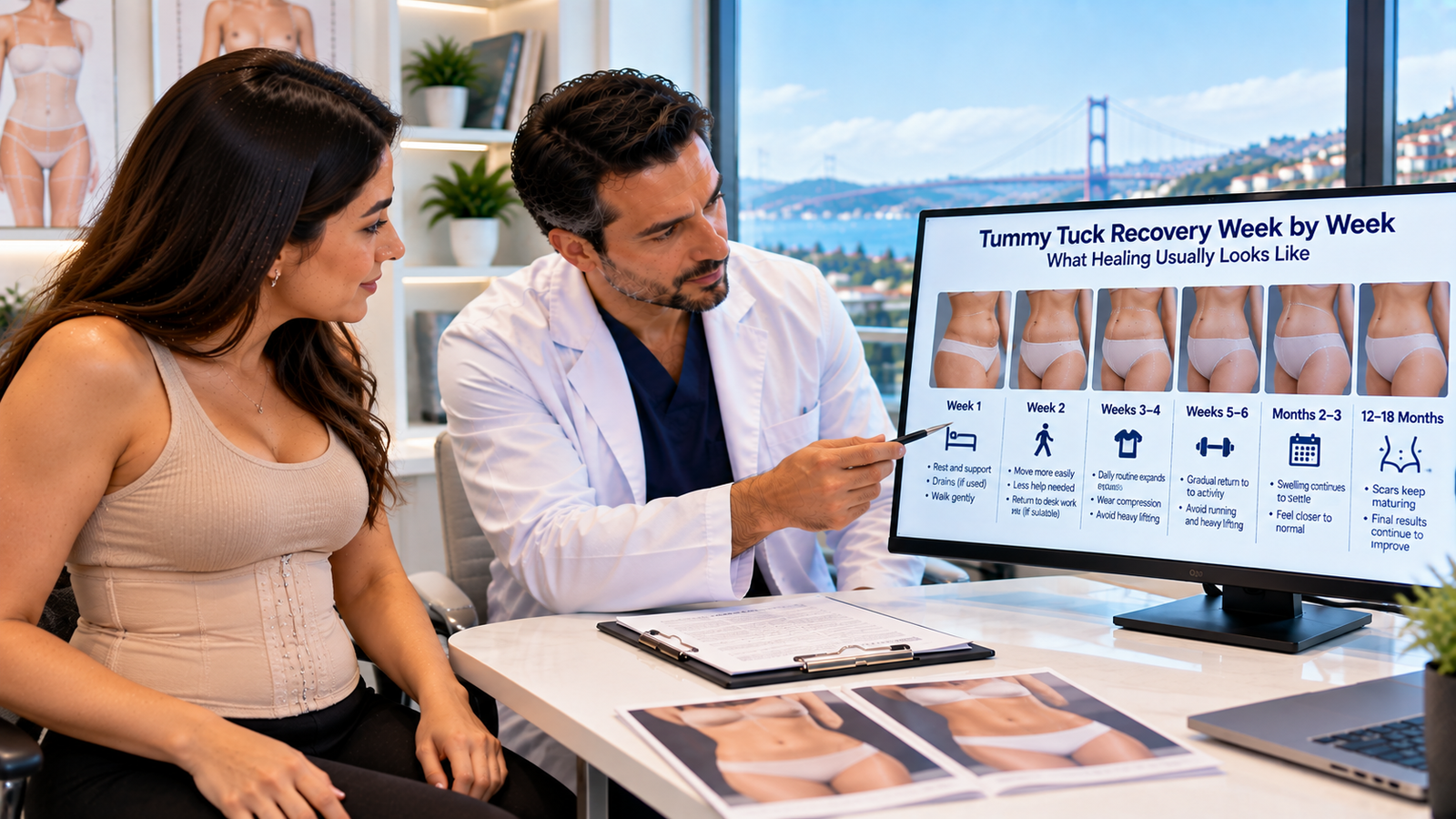
If the tummy tuck will be performed abroad, the timing after gastric sleeve is only the first decision. You also need a plan for the abdominal operation itself: hospital stay, drains if used, wound review, walking, blood-clot prevention, lifting restrictions and the date on which the surgeon considers return travel appropriate.
Abdominoplasty is significant abdominal surgery. Do not schedule the shortest possible trip simply because your weight has been stable for months. The surgeon must still confirm early recovery and fitness to travel after the new operation.
The patient services page explains how practical travel, appointments and return-home handover can be organised around a provider-confirmed plan. Clinical decisions remain with the independent treating team.
Questions To Ask Before Booking A Post-Sleeve Tummy Tuck
- Has my weight loss reached a stable plateau, and how long has it been stable?
- Does my bariatric team expect further substantial weight loss?
- What nutritional tests should be checked before surgery?
- Do I have anaemia, low protein status or vitamin or mineral deficiencies that need correction?
- Is my main problem excess skin, residual fat, abdominal-wall laxity, a hernia or a combination?
- Would I benefit from a tummy tuck, panniculectomy, body lift or another approach?
- How do my body mass index, smoking status, diabetes or other conditions affect risk?
- Do previous sleeve-surgery scars change the surgical plan?
- Should any additional body-contouring procedures be staged rather than combined?
- What wound, mobility and travel milestones must I reach before returning home?
A useful consultation should answer these questions before non-refundable travel is fixed. The operation should follow a stable medical plan, not the other way around.
How Turkelite Medcare Coordinates A Post-Bariatric Tummy-Tuck Journey
Turkelite Medcare is a patient coordination service, not the bariatric or plastic-surgery clinic. We do not decide whether you are ready for abdominoplasty, set a target weight, correct nutritional deficiencies or choose the operation. Those decisions belong to the independent bariatric and plastic-surgery professionals who assess you.
Once the treating provider confirms that weight, nutrition, medical status and anatomy are suitable for the proposed operation, Turkelite can coordinate the practical journey around that plan: provider communication, appointments, flights, accommodation, transfers and return-home handover.
If the surgeon or bariatric team says more weight stability, nutritional treatment or another medical review is needed first, the travel plan should wait. If you want help organising the next step around a clinician-confirmed plan, start your private enquiry.
Frequently Asked Questions
When Is Abdominoplasty Usually Considered After Sleeve Surgery?
Body-contouring guidance commonly recommends waiting until most weight loss is complete and weight has stabilised. A broad planning range is often around 12 to 18 months after bariatric surgery, with some literature using at least 3 to 6 months of stable weight as an additional marker. Your bariatric and plastic-surgery teams should confirm readiness based on your actual weight trend, nutrition and health.
Does Everyone Need Abdominal Skin Surgery After Sleeve Surgery?
No. Not everyone develops enough loose abdominal skin to want or need surgery. The decision depends on the amount and location of excess skin, symptoms such as rubbing or hygiene difficulty, abdominal-wall findings, your goals and whether the benefits justify another operation for you.
Why Do Surgeons Want My Weight To Be Stable?
Ongoing weight loss can create more loose skin after the operation, while significant regain can stretch the result. Stable weight also lets the surgeon assess the amount and distribution of tissue more accurately and plan a more predictable contour.
Do I Need Nutrition Tests Before A Tummy Tuck After Sleeve Surgery?
Often, yes. Post-bariatric patients can have iron, vitamin B12, vitamin D, protein or other deficiencies even after sleeve gastrectomy. The surgical team may review blood count, iron studies, protein status and selected vitamins or minerals before deciding whether elective surgery should proceed.
Can A Tummy Tuck Be Done At The Same Time As Gastric Sleeve Surgery?
Post-weight-loss body contouring is generally planned after the bariatric operation, once substantial weight loss has occurred and the weight has stabilised. Performing the tummy tuck before the weight-loss phase is complete would make the final amount of excess skin difficult to predict. The two procedures are usually treated as separate stages.
What If I Still Have Loose Skin Around My Back And Flanks?
A standard tummy tuck mainly addresses the front of the abdomen. If loose tissue extends around the sides and back, the surgeon may discuss a broader lower-body contouring procedure or staged operations. The correct approach depends on examination and your priorities.
Let Weight Stability And Health Set The Timing
The best answer to timing after gastric sleeve is not a single month. Wait until the bariatric weight-loss phase has settled, confirm that your weight is maintainable, correct important nutritional problems, review medical risk and then let a plastic surgeon define which body-contouring procedure fits your anatomy. Only after that clinical sequence is clear should the travel plan be fixed.
This content is for general information and does not replace individual medical advice, diagnosis or treatment. Discuss treatment suitability, risks and recovery with a qualified healthcare professional.