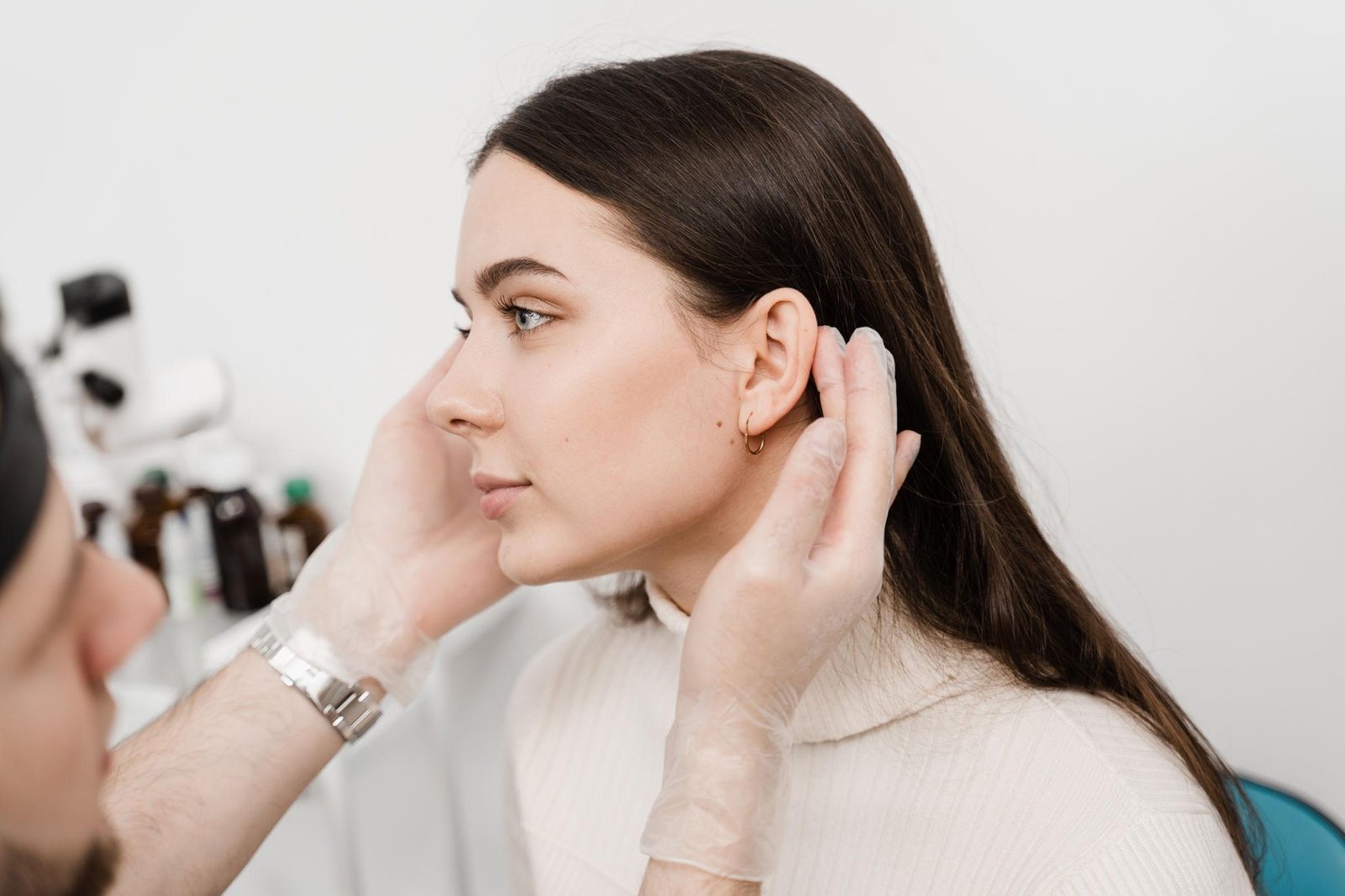
Ear Correction Surgery (Otoplasty)
Our ears are essential sensory organs, allowing us to hear and interact with the world. Any functional or cosmetic issue with the ears can affect daily life, self-confidence, and social interactions. Fortunately, ear surgery—also known as otoplasty—offers effective solutions for both medical and aesthetic concerns.
Cosmetic ear surgery has a history of nearly 200 years, and with advances in medical technology, the number of patients seeking these procedures has steadily increased.
Ear Correction Surgery (Otoplasty) highlights
Ear Correction Surgery, also known as Otoplasty, is a cosmetic procedure designed to improve the shape, position, or proportion of the ears. It is commonly performed to correct prominent or uneven ears, helping them appear more balanced with the rest of the face. This procedure can enhance facial harmony and boost confidence for both children and adults who feel self-conscious about their ear appearance.
- Ear Reshaping
- Prominent Ear Correction
- Ear Position Adjustment
- Symmetry Improvement
- Natural-Looking Results
- Minimal Visible Scarring
Ear Correction Surgery (Otoplasty) feature services
Customized Ear Contouring
Each ear surgery is planned according to the patient’s unique ear shape and facial structure. Surgeons carefully contour the ear cartilage to achieve a natural and balanc...
Correction of Ear Deformities
Otoplasty can correct congenital or injury-related ear deformities. This helps restore a more normal ear shape and improves overall facial harmony and confidence.
Quick Recovery Process
Most patients experience a relatively fast recovery after ear correction surgery. With proper care and follow-up, patients can return to their normal routine within a sho...
Hidden Incision Placement
The surgical incisions are usually made behind the ear where they are difficult to notice. This technique ensures that visible scarring is minimal while achieving the des...
Improved Facial Balance
By adjusting the size, shape, or position of the ears, otoplasty helps create better balance between the ears and other facial features, giving the face a more proportion...
Ear Correction Surgery (Otoplasty) highlights
A Clear Path to Achieving Natural and Balanced Ear Contours
Ear Correction Surgery (Otoplasty) helps reshape, reposition, or resize the ears for a more balanced and harmonious facial appearance. The procedure is carefully planned to match each patient’s unique facial structure, ensuring natural results with minimal visible scarring. Modern techniques make the surgery safe and recovery relatively quick.
01
Detailed Evaluation & Planning
The surgeon assesses ear shape, size, and position relative to the face. A personalized surgical plan is created, considering symmetry, proportion, and patient goals.
02
Precise Cartilage Reshaping
Using minimally invasive techniques, the cartilage is molded and secured to achieve the desired ear shape and position. Incisions are typically placed behind the ear to remain discreet.
03
Healing & Final Contour Monitoring
Patients follow post-operative care instructions, including wearing protective dressings or headbands. Over time, swelling subsides, and the ears settle into their final, natural-looking position.
Frequently asked questions
Achieve Balanced, Natural-Looking Ears with Otoplasty
Ear correction surgery is ideal for individuals with prominent, misshapen, or uneven ears that affect facial symmetry or cause self-consciousness. Both children and adults can benefit from this procedure, especially those seeking improved confidence and a more proportionate appearance. Candidates should be in good health with realistic expectations regarding the outcome.
Otoplasty typically involves reshaping the ear cartilage and repositioning the ears closer to the head if necessary. Small incisions are made, usually behind the ears, to minimize visible scarring. The surgeon carefully sculpts the cartilage and secures it in the desired position to achieve a natural and balanced look.
Recovery usually involves wearing a protective band or headband to support the ears as they heal. Mild swelling, bruising, and tenderness are common in the first few days. Most patients can resume normal activities within one to two weeks, with final results visible once swelling subsides over several weeks.
Yes. Modern surgical techniques focus on preserving natural ear shape while improving proportion and symmetry. Properly performed otoplasty results in ears that look balanced and harmonious with the face, with minimal or hidden scarring.
The results of ear correction surgery are generally permanent, as the reshaped cartilage retains its new position. Over time, natural aging occurs, but the overall improved ear shape and positioning remain stable for many years, providing long-lasting aesthetic and functional benefits.