Gastric Sleeve
Obesity is a complex condition where the body carries excessive fat, which can affect overall health as well as appearance. While many people focus on the cosmetic aspect, the real concern is the increased risk of serious health issues such as heart disease, diabetes, high blood pressure, and certain types of cancer.
The reasons behind obesity differ for each individual. For some, genetics play a major role, influencing how the body stores fat and burns calories. For others, lifestyle factors, eating habits, and physical activity levels are more significant. Often, obesity results from a combination of these factors.
Even small reductions in weight can have meaningful benefits, including improving overall health, lowering the risk of chronic diseases, and increasing energy levels. Lifestyle changes such as healthier eating habits, regular physical activity, and behavioral adjustments can make a noticeable difference.
Gastric Sleeve highlights
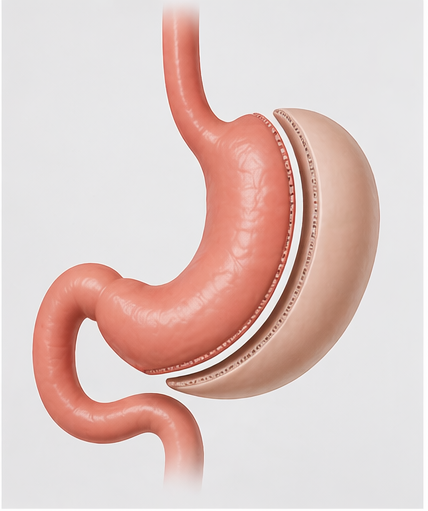
Gastric sleeve surgery, also known as sleeve gastrectomy, is a highly effective weight-loss procedure designed to reduce stomach size and limit food intake. By removing a large portion of the stomach, the surgery helps patients feel full faster and reduces hunger hormones, supporting significant and sustainable weight loss. It is a minimally invasive procedure that not only promotes weight reduction but also improves obesity-related health conditions such as diabetes, high blood pressure, and sleep apnea.
- Significant & Sustainable Weight Loss
- Reduced Hunger Hormone (Ghrelin)
- Minimally Invasive Laparoscopic Procedure
- Improved Obesity-Related Conditions
- Enhanced Quality of Life
Gastric Sleeve feature services
Stomach Size Reduction
The procedure removes a large portion of the stomach, significantly reducing its capacity and helping patients feel full with smaller meals.
Appetite Control Support
By lowering the production of the hunger hormone (ghrelin), gastric sleeve surgery helps reduce appetite and cravings.
Minimally Invasive Technique
Performed using laparoscopic methods, the surgery involves small incisions, leading to less pain and faster recovery.
Improvement in Health Conditions
Helps improve or resolve obesity-related conditions such as type 2 diabetes, high blood pressure, and sleep apnea.
Long-Term Weight Management
With proper diet and lifestyle changes, gastric sleeve offers sustainable and long-lasting weight loss results.
Simple steps for gastric sleeve
Your Journey to Safe and Sustainable Weight Loss
Gastric sleeve surgery is a carefully planned weight-loss procedure designed to help patients achieve long-term results safely. The process focuses on reducing stomach size to limit food intake and control hunger. With professional medical supervision, proper preparation, and structured aftercare, patients can experience significant weight loss along with improvements in overall health and quality of life.
01
Comprehensive Medical Evaluation
The journey begins with detailed health assessments, lab tests, and consultations to determine if you are a suitable candidate for gastric sleeve surgery.
02
Laparoscopic Sleeve Procedure
During surgery, a large portion of the stomach is removed using minimally invasive techniques, creating a smaller sleeve-shaped stomach to control food intake.
03
Recovery & Lifestyle Adjustment
After surgery, patients follow a guided diet plan and gradually return to daily activities while adopting healthier eating habits and regular exercise for long-term success.
Frequently asked questions
Everything You Need to Know About Gastric Sleeve Surgery
After gastric sleeve surgery, most patients notice a significant reduction in hunger. This is because the procedure removes the portion of the stomach responsible for producing ghrelin, the hormone that triggers hunger. As a result, appetite decreases naturally, making it easier to control portion sizes and follow a healthier diet.
However, over time, some hunger may gradually return as the body adapts. Even then, patients typically feel satisfied with much smaller portions compared to before surgery. Maintaining balanced meals and proper hydration plays a key role in long-term appetite control.
Gastric sleeve surgery is performed laparoscopically, meaning it requires only small incisions rather than a large open cut. These small incisions usually heal well and leave minimal scarring, which tends to fade over time.
Proper wound care, following your surgeon’s instructions, and maintaining good hygiene help ensure smooth healing. Most patients find that the cosmetic impact is minimal compared to the health benefits gained from the surgery.
Yes, many women can safely become pregnant after gastric sleeve surgery, and in some cases, fertility may even improve due to weight loss and hormonal balance. However, doctors usually recommend waiting 12–18 months after surgery before trying to conceive.
This waiting period allows your body to stabilize in terms of weight loss and nutrition. Proper vitamin supplementation and medical supervision are essential during pregnancy to ensure both mother and baby remain healthy.
Yes, vitamin and mineral supplementation is an important part of life after gastric sleeve surgery. Because your stomach size is reduced, your food intake decreases, which can sometimes lead to nutritional deficiencies if supplements are not taken regularly.
Doctors typically recommend multivitamins, calcium, vitamin D, iron, and sometimes vitamin B12. Regular blood tests help monitor your nutritional levels and ensure your body stays balanced and healthy.
Not following the recommended diet can slow down weight loss and may even cause complications such as nausea, vomiting, acid reflux, or stretching of the stomach pouch over time. Eating high-sugar or high-fat foods can also reduce the effectiveness of the surgery.
Long-term success depends heavily on adopting healthy eating habits and staying physically active. Patients who follow dietary guidelines and attend follow-up appointments typically achieve better and more sustainable weight-loss results.