Gynecomastia
Gynecomastia, although not a threat to physical health, can significantly impact a man’s self-esteem and confidence. Men with this condition develop enlarged breasts, which can create psychological discomfort and social anxiety. Unlike women, where fuller breasts may be seen as desirable, enlarged male breasts are generally unwelcome and may cause embarrassment.
Gynecomastia can affect daily life: some men avoid activities like swimming, gym workouts, or changing clothes in public due to the appearance of their chest. Surgery can provide a transformative solution, restoring confidence and comfort in everyday life.
Gynecomastia highlights
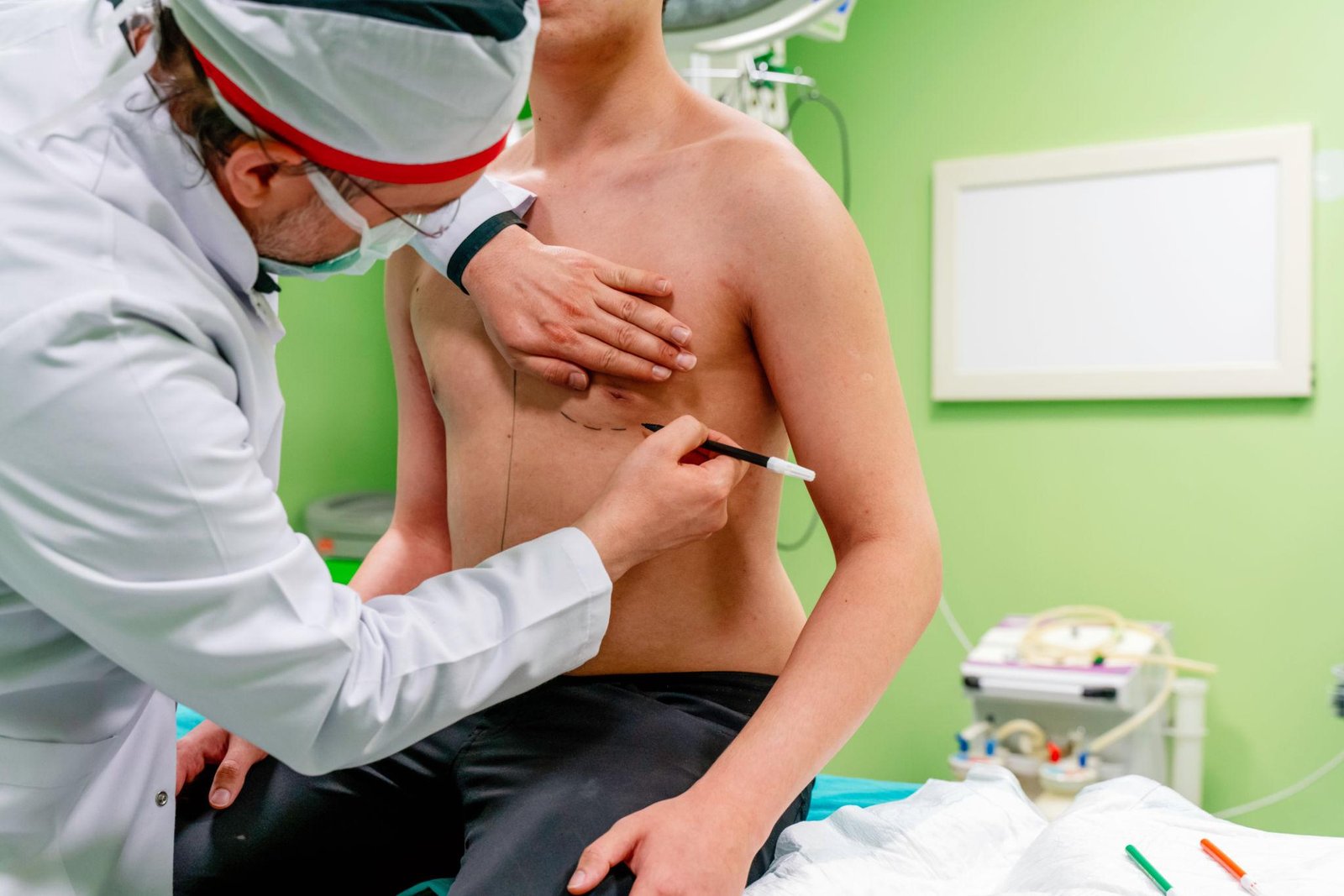
Gynecomastia is a condition characterized by the enlargement of male breast tissue, which can affect self-confidence and body image. Gynecomastia correction is a specialized surgical procedure designed to reduce excess breast tissue and create a flatter, more masculine chest contour. This procedure addresses hormonal imbalances, genetic factors, or lifestyle-related causes, helping men achieve a proportionate and well-defined chest. Advanced techniques ensure minimal scarring, natural-looking results, and improved physical appearance and self-esteem.
- Reduces Excess Male Breast Tissue
- Creates a Flatter, Masculine Chest Contour
- Improves Chest Symmetry and Proportion
- Boosts Self-Confidence and Body Image
- Minimally Invasive Techniques with Natural Results
Gynecomastia feature services
Targeted Male Breast Tissue Reduction
This procedure focuses on removing excess glandular tissue and stubborn fat deposits from the chest area. By carefully sculpting the chest, surgeons create a flatter and...
Improved Chest Contour and Symmetry
Gynecomastia treatment helps reshape the chest to make it more balanced and proportionate. Many patients experience uneven chest development, and this procedure corrects...
Advanced and Minimally Invasive Techniques
Modern gynecomastia procedures often use advanced surgical methods such as liposuction and precise gland removal. These techniques reduce the size of incisions, minimize...
Personalized Treatment Planning
Every patient’s condition and body structure are different, which is why gynecomastia treatment is customized according to individual needs. During consultation, the surg...
Enhanced Confidence and Physical Comfort
Beyond physical improvement, gynecomastia surgery often has a positive emotional impact. Many men feel self-conscious about enlarged breasts, which can affect their confi...
Simple steps for gynecomastia
A safe and effective approach to treat enlarged male chest and restore a more masculine body contour.
Gynecomastia treatment is designed to reduce excess fat and glandular tissue in the male chest. The procedure helps create a flatter, firmer, and more natural-looking chest shape. Through a careful medical evaluation, personalized surgical planning, and advanced techniques, the treatment ensures safe results and improved confidence for patients dealing with gynecomastia.
01
Personalized Treatment Planning
After the evaluation, a customized treatment plan is created based on the amount of glandular tissue, fat, and skin elasticity. The surgeon explains the procedure, expected results, and recovery process so the patient knows exactly what to expect.
02
Gynecomastia Procedure
The treatment is performed using advanced surgical techniques such as liposuction, gland removal, or both. The goal is to remove excess tissue and reshape the chest to achieve a natural, firm, and masculine appearance.
03
Recovery and Post-Procedure Care
After the procedure, patients receive detailed aftercare instructions. Wearing compression garments, avoiding heavy activities, and attending follow-up appointments help support proper healing and improve the final results.
Frequently asked questions
Common Questions About Gynecomastia Treatment and Recovery
Gynecomastia usually occurs due to a hormonal imbalance between estrogen and testosterone in the body. It can happen during puberty, aging, weight gain, or because of certain medications and health conditions. In many cases, excess fat and glandular tissue develop in the chest area, which makes the male chest appear enlarged. While sometimes lifestyle changes may help reduce mild cases, persistent gynecomastia often requires medical or surgical treatment to remove the extra tissue and restore a flatter chest shape.
Yes, gynecomastia surgery is generally considered a long-lasting or permanent solution. During the procedure, the surgeon removes excess glandular tissue and fat from the chest area. Once this tissue is removed, it usually does not grow back. However, maintaining a healthy lifestyle is important after surgery. Significant weight gain, hormonal changes, or certain medications may affect chest appearance, so proper care and balanced habits help maintain the results for many years.
Recovery time can vary depending on the individual and the technique used during the procedure. Most patients can return to light daily activities within a few days, while more strenuous activities and exercise may need to be avoided for a few weeks. Mild swelling, bruising, or discomfort is normal in the early recovery period. Doctors often recommend wearing a compression garment to help reduce swelling and support proper healing. Following post-treatment instructions carefully helps ensure a smooth recovery and better results.
Modern gynecomastia procedures are designed to minimize visible scarring as much as possible. Surgeons usually make very small and carefully placed incisions, often around the edge of the areola or in natural chest folds. Over time, these scars typically fade and become much less noticeable. Proper wound care, avoiding sun exposure on healing skin, and following your surgeon’s advice can help scars heal more smoothly and improve the overall cosmetic outcome.
Good candidates for gynecomastia treatment are men who have persistent chest enlargement that does not improve with diet or exercise. They should generally be in good health, maintain a stable weight, and have realistic expectations about the results. The best way to determine candidacy is through a professional consultation, where the doctor evaluates the chest condition, medical history, and treatment goals to recommend the most suitable approach for achieving a more balanced and masculine chest appearance.