Rhinoplasty
The nose is a central and prominent feature of the face. Any aesthetic or structural concerns can affect both appearance and self-confidence. Thanks to advancements in medical technology and innovative surgical techniques, rhinoplasty (nose reshaping surgery) is now safer, more precise, and widely accessible.
People may seek rhinoplasty for various reasons, including:
* Cosmetic concerns such as a nose that appears too large, crooked, or disproportionate
* Functional issues like breathing difficulties
* Congenital deformities or injury-related changes
Rhinoplasty highlights
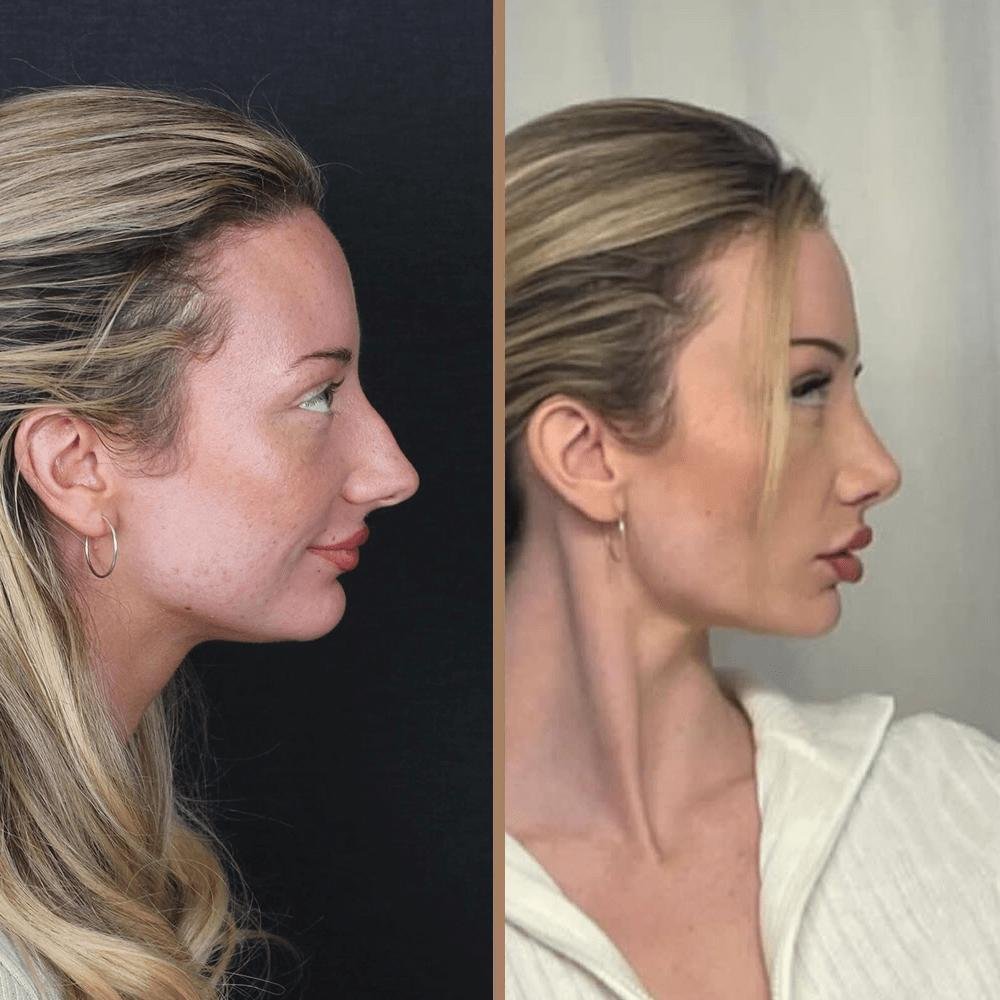
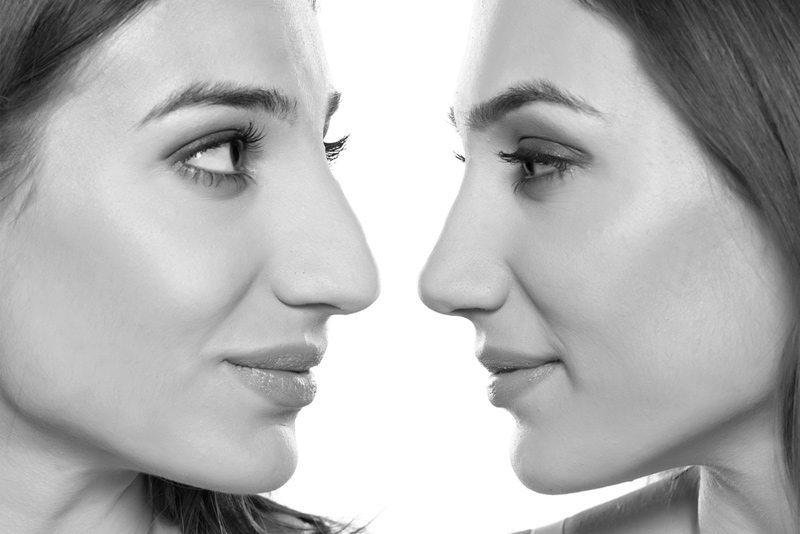
Rhinoplasty, commonly known as a nose reshaping procedure, is designed to enhance the appearance and structure of the nose while maintaining natural facial harmony. This treatment can correct the size, shape, or symmetry of the nose and may also improve breathing problems caused by structural issues. With advanced techniques and personalized planning, rhinoplasty helps patients achieve balanced facial features and increased confidence.
- Nose Shape Improvement
- Facial Balance
- Bump/Curve Correction
- Breathing Enhancement
- Personalized Approach
- Natural, Lasting Results
Rhinoplasty feature services
Customized Nose Reshaping
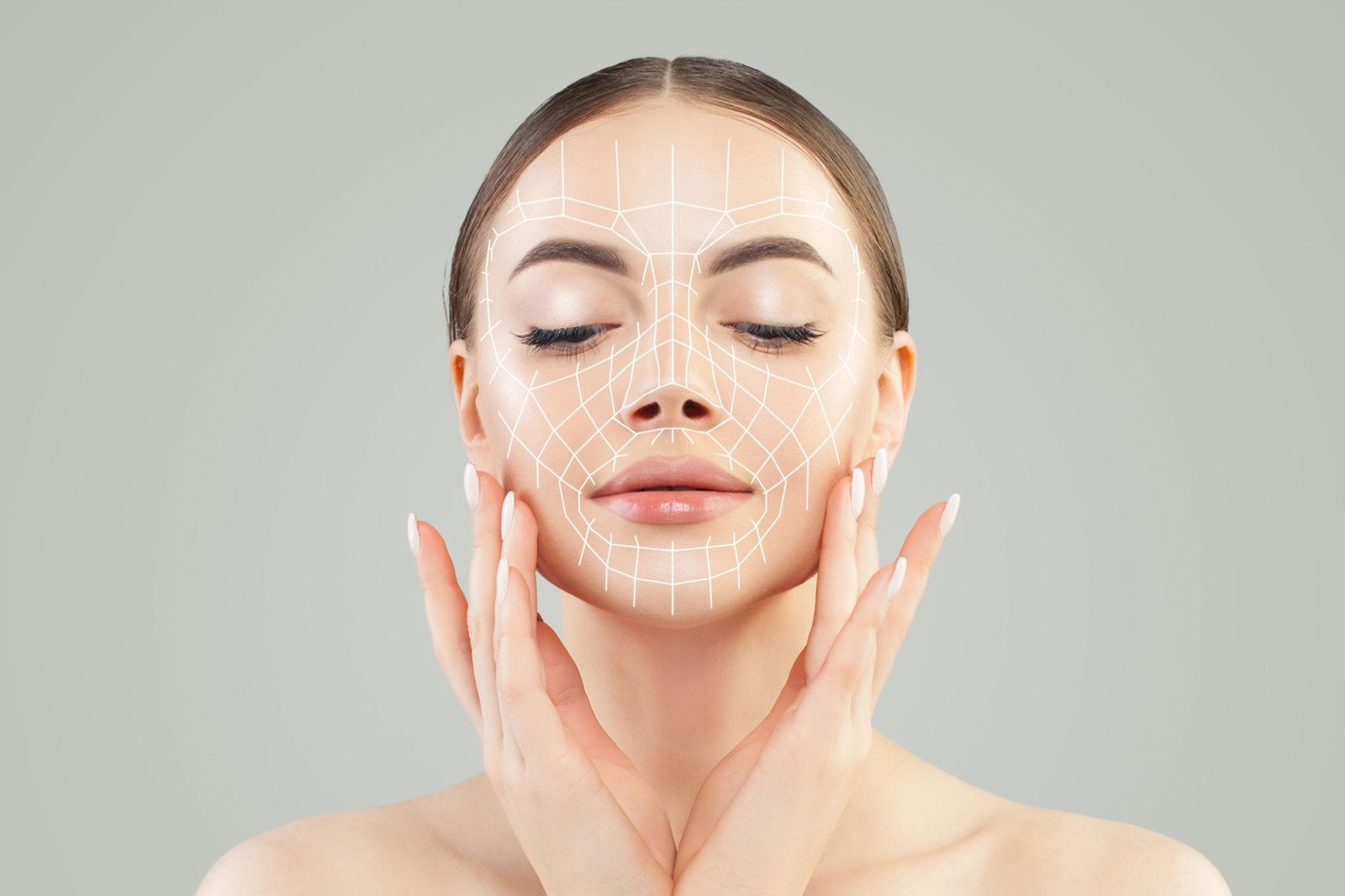
Rhinoplasty is tailored to each patient’s unique facial structure and aesthetic goals. Surgeons carefully analyze the proportions of the nose in relation to the eyes, che...
Structural Correction
Beyond cosmetic improvement, rhinoplasty addresses functional issues within the nose. This includes correcting bumps, humps, crooked bridges, or irregularities in the nas...
Breathing Improvement
Many patients undergo rhinoplasty to fix breathing difficulties caused by a deviated septum, enlarged turbinates, or other internal obstructions. Correcting these issues...
Minimally Invasive Techniques
Advanced surgical methods allow rhinoplasty to be performed with precision while minimizing visible scarring and tissue trauma. Techniques such as closed rhinoplasty or l...
Long-Lasting, Natural Results
Rhinoplasty is designed to provide durable and natural-looking results that complement the patient’s facial features. With careful planning and skilled execution, the res...
Simple steps for rhinoplasty
A Clear Path to Achieving a Balanced and Refined Nose Shape
Rhinoplasty is a carefully planned cosmetic and functional procedure designed to reshape the nose and improve facial harmony. The process involves consultation, precise surgical planning, and professional aftercare to ensure safe treatment and natural-looking results. Each step is performed with attention to detail so patients can achieve both aesthetic improvement and better nasal function.
01
Personalized Consultation
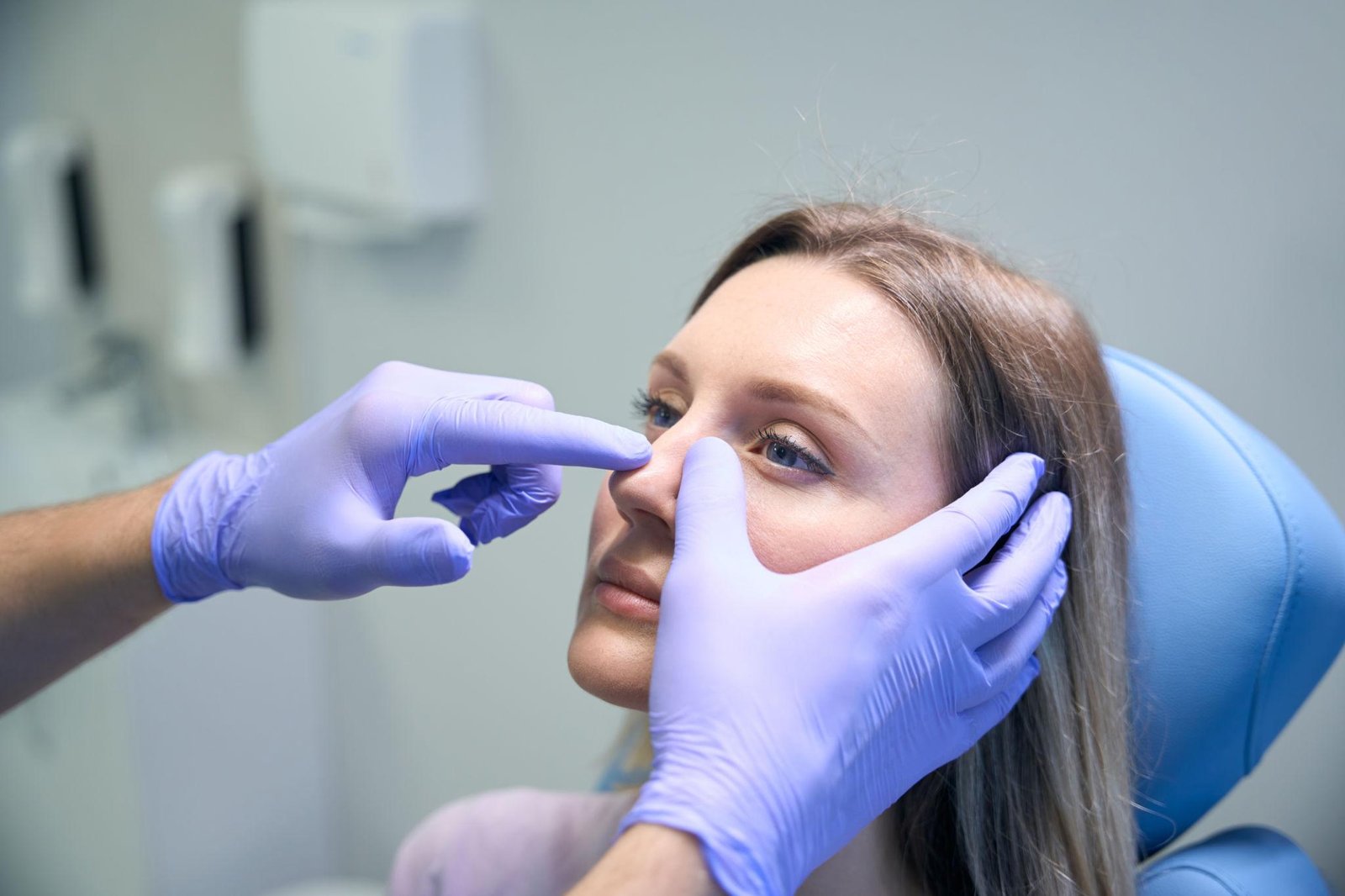
The process begins with a detailed consultation where the surgeon evaluates the structure of your nose, discusses your concerns, and understands your desired results. Facial proportions and breathing function are also assessed to create a personalized surgical plan.
02
Surgical Reshaping Procedure
During the procedure, the surgeon carefully reshapes the nasal bone and cartilage to achieve the planned improvements. This may include refining the nasal tip, smoothing the bridge, correcting asymmetry, or improving airflow within the nose.
03
Recovery and Result Monitoring
After surgery, patients receive proper aftercare guidance to support healing. Follow-up visits ensure that swelling reduces properly and the nose gradually settles into its new shape, revealing a natural and balanced final result.
Frequently asked questions
Common Questions About Nose Reshaping and What to Expect from the Procedure
Rhinoplasty can address several concerns related to the shape and function of the nose. It can reduce a nasal hump, refine a wide or bulbous tip, straighten a crooked nose, or adjust the size of the nostrils. In many cases, it can also correct breathing problems caused by structural issues inside the nose.
Initial recovery usually takes about 1 to 2 weeks, during which swelling and bruising gradually decrease. Most patients return to normal daily activities within this time. However, the final shape of the nose continues to refine over several months as the remaining swelling slowly resolves.
In most cases, rhinoplasty is performed using techniques that place incisions inside the nostrils, which means there are no visible external scars. If an open rhinoplasty technique is used, a very small incision may be made between the nostrils, but it usually heals very well and becomes barely noticeable.
Yes, the structural changes made during rhinoplasty are generally permanent. Once the nose heals completely, the improved shape typically lasts for a lifetime. However, natural aging and lifestyle factors can still influence facial appearance over time.
Yes, rhinoplasty can also be performed for functional reasons. When structural issues such as a deviated septum or narrow nasal passages affect breathing, the procedure can correct these problems while also improving the overall appearance of the nose.