


Cosmetic and functional goals
Ask whether breathing, septal work or other functional issues are part of the same plan or a separate indication.

Rhinoplasty changes the structure and appearance of the nose and may also involve functional breathing concerns.
An enquiry is not a booking.

Deeper treatment guide
Read the treatment-specific guidance on planning, procedure, recovery and follow-up.
Rhinoplasty should not be chosen on price or a technique label alone. The treating provider should first confirm the problem being treated, whether the procedure fits your diagnosis, history and expectations, and which alternatives remain reasonable. For an international patient, the clinical plan, length of stay, return travel and aftercare should be designed as one connected pathway.
Rhinoplasty planning should separate aesthetic goals from functional breathing issues. A useful consultation covers nasal anatomy, photographs, previous trauma or surgery, airway symptoms, whether septal work is proposed, realistic limits and the possibility that swelling can take time to settle.
Before you commit, the diagnosis and suitability should be documented. Ask which examination, imaging, blood tests, photographs, functional tests or previous records are actually needed in your case. Also ask what findings could change the plan, postpone treatment or make another option more appropriate.
A useful consultation explains not only why Rhinoplasty may be considered but also when it may not be recommended. Existing health conditions, medicines, smoking, previous procedures, active infection, healing risks and realistic expectations can all change the decision. Ask for a clear comparison with non-surgical, less invasive or surgical alternatives where they are relevant to your diagnosis.
Confirm who will perform the personal assessment, who carries out the key clinical steps and who is medically responsible after the procedure. For treatment in Turkey, check that the facility is appropriately authorised for international health tourism services. Marketing labels and package names are not substitutes for diagnosis, clinician credentials or an accountable treatment plan.
The exact sequence depends on the diagnosis, method and facility. Before treatment, identity, consent, treatment site, medicines, allergies, fasting instructions and the final plan should be rechecked. Ask how anaesthesia or sedation is handled, how long the planned procedure is expected to take, what could change the plan and what immediate monitoring is provided afterward.
Every medical procedure has possible side effects, complications and limitations. Ask for procedure-specific consent rather than a generic statement that treatment is “safe”. You should know which symptoms can be expected in the first days, which should be reported the same day and which require urgent assessment. It should also be clear who can be contacted once you are back home.
Early recovery and the final result are different time points. Before booking, clarify which checks must happen in Turkey, what clinical milestones should be met before flying, and whether work, exercise, lifting, driving or medicines are temporarily restricted. Avoid a return flight that leaves no practical time for the treating team to complete an appropriate early review.
Price comparisons are only meaningful when the scope is written down. The quote should identify the planned treatment, responsible provider, anaesthesia or sedation, hospital or clinic services, implants or materials where relevant, medicines, early reviews, transfers and anything specifically excluded. Ask which findings after examination could create extra costs and how plan changes, cancellation or revision are handled.
Know which documents you will take home: procedure report, relevant imaging or test results, medication plan, implant or product identifiers where applicable, and direct contact details for the clinical team. If local follow-up may be needed, identify the relevant specialty before treatment and ask what information that clinician will need.
This page is designed to help you prepare for a qualified clinical consultation and does not replace individual medical assessment. Current patient-information sources from established health organisations and Turkey’s international health-tourism rules were used as a reference framework. Your treating team must confirm individual suitability, method, medicines, risks and travel timing.
01 · Why patients consider this treatment
Start with the problem or goal, not the technique. A qualified treating clinician should confirm whether this procedure is relevant after reviewing your individual circumstances.
Ask whether breathing, septal work or other functional issues are part of the same plan or a separate indication.
Know who will operate, what approach is proposed and what limits or trade-offs the surgeon expects in your anatomy.
02 · Suitability & planning
Suitability depends on diagnosis, history, anatomy, expectations and reasonable alternatives. The treating clinic decides which records, tests or examination are needed before a plan can be confirmed.
Ask whether breathing, septal work or other functional issues are part of the same plan or a separate indication.
Know who will operate, what approach is proposed and what limits or trade-offs the surgeon expects in your anatomy.
Clarify early swelling, splint or dressing care, fit-to-fly timing and when the final result can realistically be judged.
Ask which symptoms need urgent review and who provides clinical advice once you are back home.
03 · How the procedure is planned
The technical steps vary by method, findings and clinic. Ask what will actually happen, who performs the key clinical steps and what could change after the in-person assessment.
04
Records reviewed, clinician and plan confirmed, then practical travel is finalised.
Arrival, final clinical checks, treatment and immediate monitoring under the clinic protocol.
Medication, wound or symptom care, food, fluids and movement according to clinical instructions.
Confirm fitness to travel, take records home and know exactly who to contact after return.
05 · Recovery & results
Early recovery and final outcome are different milestones. Clarify what to expect in the first days, when routine or work may resume, when travel is considered appropriate and when results can be meaningfully assessed.
Your treating clinic confirms patient-specific timing.
Your treating clinic confirms patient-specific timing.
Your treating clinic confirms patient-specific timing.
06 · Important considerations
Risks, limits and warning signs belong in informed consent. Ask what is expected, what is not, and what medical help should be available after you return home.
This page supports better questions; it does not replace individual medical assessment.
Assessment can change method, dates, cost or length of stay.
07 · Your journey with Turkelite
Once the medical plan and dates are confirmed, Turkelite Medcare organises the practical journey around them: information flow, flight timing, pickup, transfers, accommodation, clinic appointments, return travel and follow-up handover.
08 · Questions before you decide
Take these questions into the consultation. Good answers are more useful than marketing promises.
09 · What the written quote should settle
A useful quote does more than show a price: it makes responsibility, scope and the conditions that could change the plan visible.
10 · Find suitable clinic options
Instead of leaving you with a public clinic list, we start with your enquiry and then build a relevant shortlist of independent providers for this treatment area.
Guides

Why follow-up responsibilities and local support should be clarified before treatment is booked.
View treatment guide →
A practical checklist for checking provider identity, clinicians, treatment planning, follow-up and communication.
View treatment guide →
What happens if there is a complication after treatment in Turkey: the pathway to agree before you travel, what your own doctor will and will not do, and why standard travel insurance usually does not cover it.
View treatment guide →Related treatments

Blepharoplasty reshapes upper or lower eyelids by adjusting skin, fat and sometimes muscle.
View treatment guide →
A body lift removes and reshapes excess skin and soft tissue around the trunk, commonly after major weight loss, using a tailored scar and recovery plan.
View treatment guide →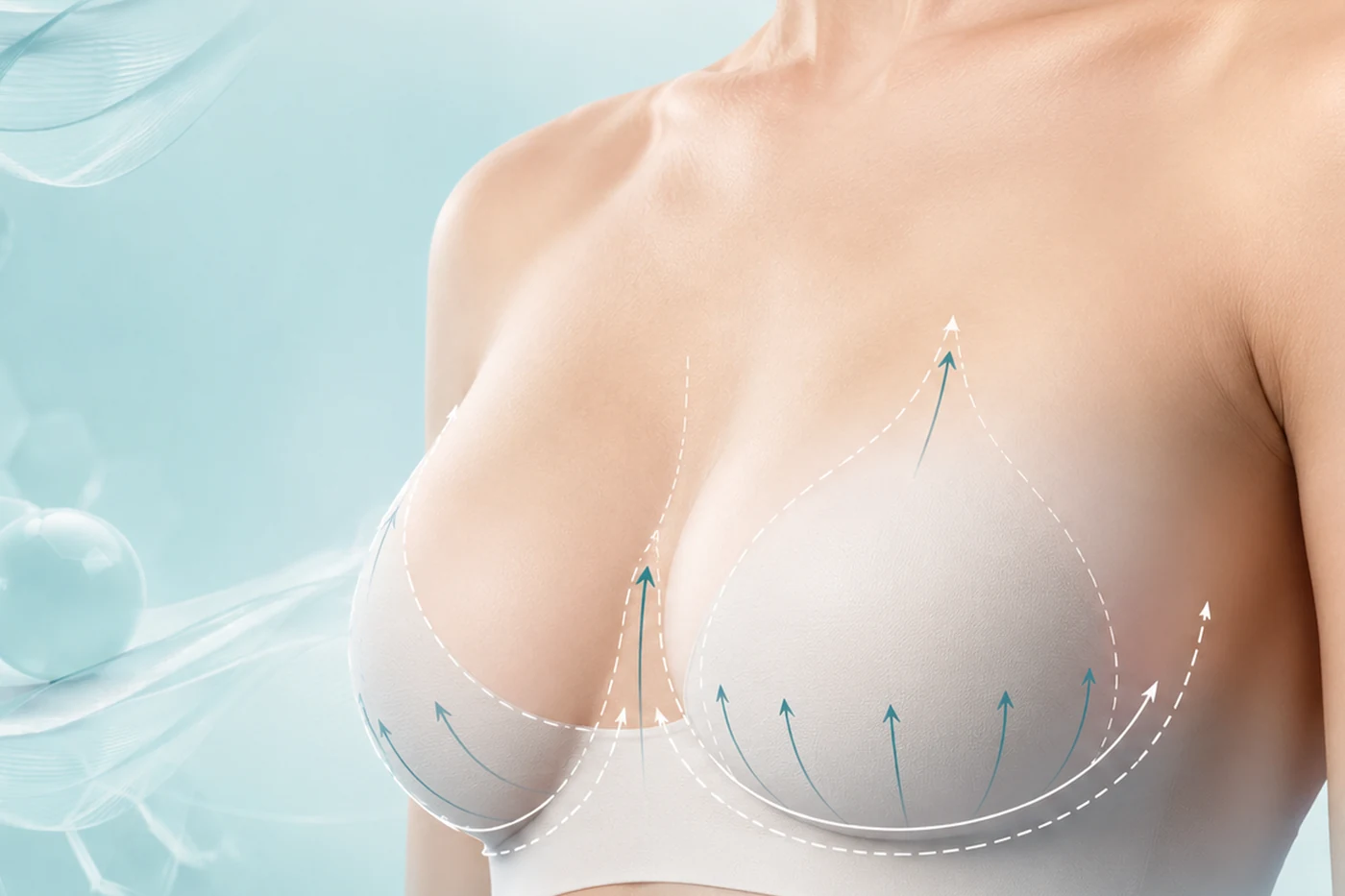
Breast augmentation changes breast volume and shape, most often with implants and in some cases with fat transfer.
View treatment guide →Tell us what you are considering. We organise the information for you and route the enquiry to a suitable independent treating clinic for an initial review.
No obligation to book after an enquiry.