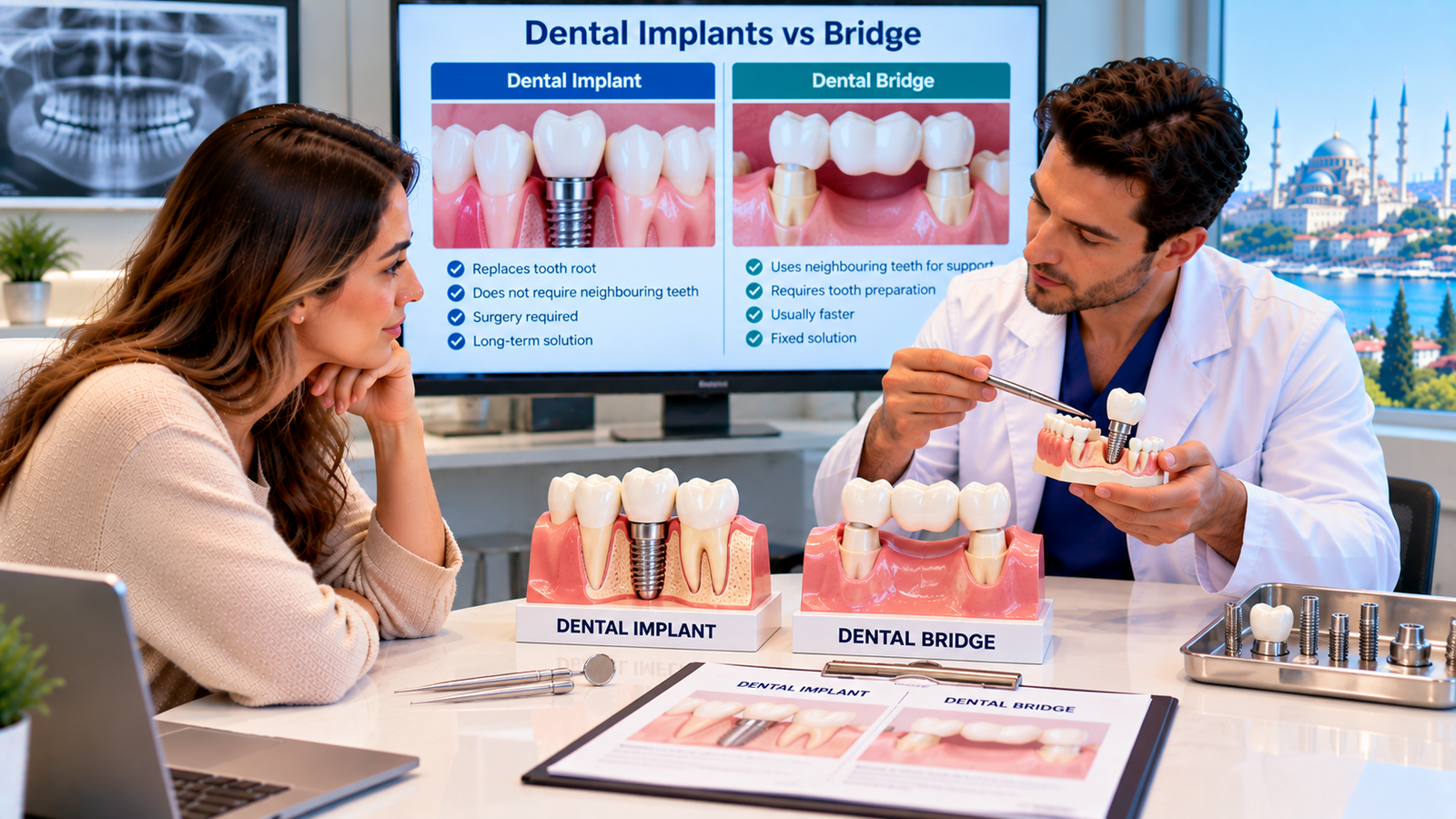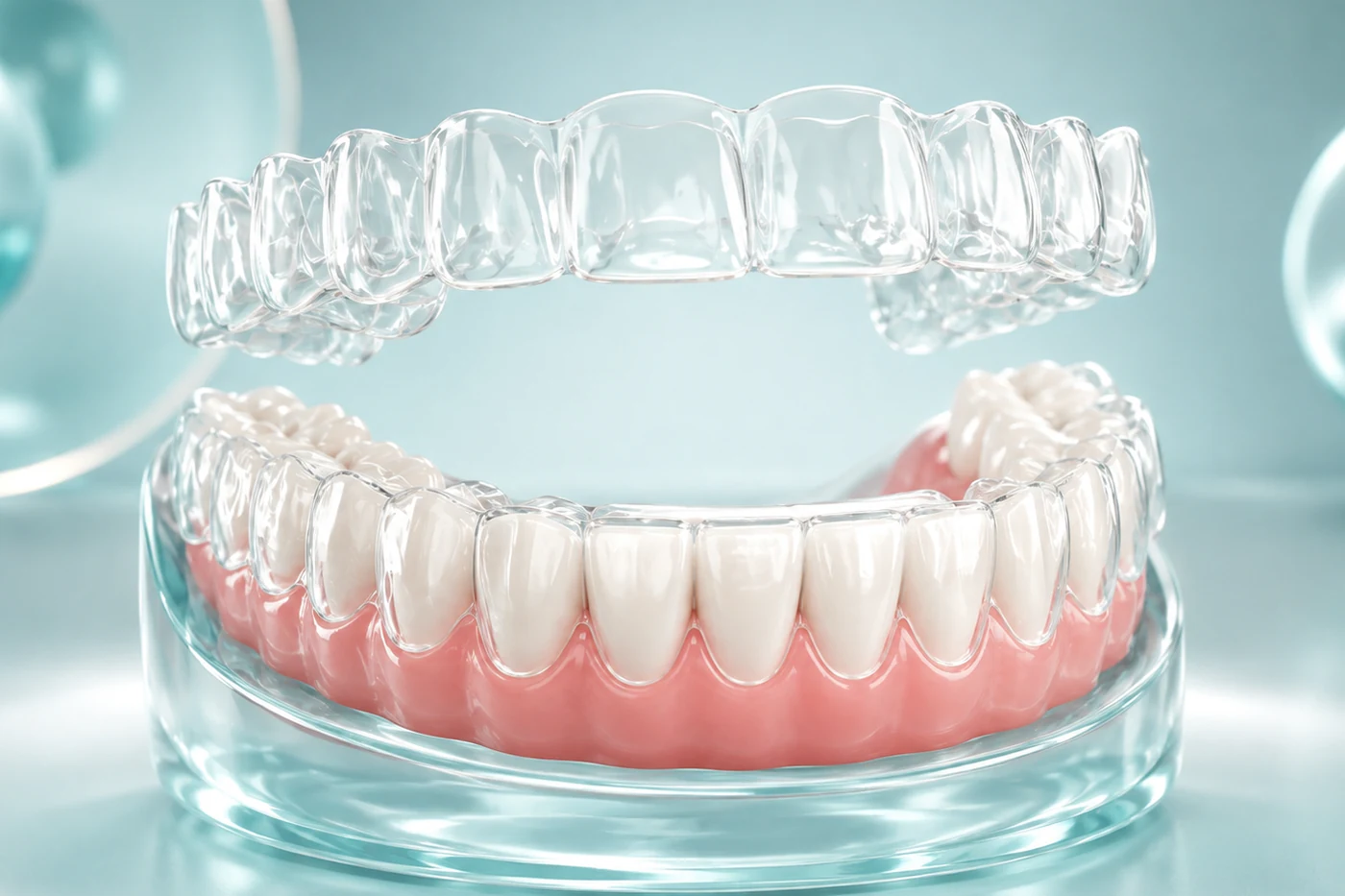
How to choose a dental clinic in Turkey should start with verifiable facts, not before-and-after photographs or a package price. Dental treatment can involve irreversible tooth preparation, surgery, implants, laboratory work and long-term maintenance, so the clinic, named treating dentist, diagnosis and aftercare route all matter. The UK General Dental Council advises patients considering treatment abroad to ask who will perform the treatment, what qualifications they have, how the provider is regulated, what aftercare is offered and what happens if complications or remedial work are needed. Turkey’s Ministry of Health also publishes current lists of healthcare providers authorised for international health tourism. Start with our Dental treatment library and use a dental-specific checklist before comparing clinics.
1. Confirm The Legal Clinic Identity And Treatment Location
Ask for the clinic’s full legal name, physical treatment address and the department where your care will take place. A marketing brand, booking agent or social-media page is not enough to identify the healthcare provider responsible for treatment.
Check that the provider information on the quotation, consent forms, invoices and treatment records matches the clinic you expect to attend.
2. Check International Health-Tourism Authorisation
Turkey’s Ministry of Health publishes lists of healthcare providers authorised for international health tourism and updates those lists. Checking the relevant list is a useful verification step for an international patient.
Authorisation does not tell you whether a clinic is the best match for your specific dental problem. It should be combined with checks on the treating dentist, treatment plan, clinical scope and follow-up.
3. Identify The Dentist Who Will Actually Treat You
Ask for the name of the dentist responsible for examination, diagnosis, consent and treatment. If several clinicians are involved, ask who performs each major step.
If the clinic describes someone as a specialist, ask what specialty they hold, where it was awarded and whether their role matches the procedure you need.
4. Ask How Your Diagnosis Was Reached
A remote quotation based on photographs is not the same as a final dental diagnosis. Ask what radiographs, three-dimensional scans, periodontal examination, bite assessment or other records are needed before the plan becomes definitive.
A credible dental plan should also explain what could change after the in-person examination rather than presenting every case as fixed before you arrive.
5. Make Sure Healthy Teeth Are Not Treated Just To Fit A Package
For cosmetic cases, ask why each tooth needs a veneer, crown, root canal, extraction or implant. A package priced by “number of teeth” can hide important tooth-by-tooth differences.
The treatment plan should identify which teeth are healthy, which need restorative treatment, which can be preserved and what more conservative alternatives exist.
6. Match The Clinic To The Actual Procedure
A clinic can be experienced in one area and less suitable for another. Implant surgery, complex root-canal retreatment, periodontal surgery, orthodontics and full-mouth reconstruction require different skills, equipment and follow-up.
Ask how often the named clinician performs the exact procedure you need and what complications are most relevant to that treatment.
7. Verify Materials And Implant Systems In Writing
If the plan includes implants, crowns, veneers, bone graft materials or aligners, ask for the exact system, product family or material to be documented. Brand names alone are not enough if the product version, restoration type or final material remains unclear.
Ask what records, implant labels, laboratory information and material documentation you will receive before returning home.
8. Ask Who Makes The Dental Work
Crowns, bridges, veneers and full-arch implant prostheses depend partly on laboratory work. Ask whether the clinic uses an in-house or external laboratory, how shade and fit are checked and who approves the final restoration.
For extensive cosmetic or full-mouth work, ask whether there is a try-in or approval stage before final cementation or fixation.
9. Compare The Written Scope, Not Just The Headline Package
The written quotation should separate diagnostics, treatment, temporary restorations, final restorations, laboratory work, medicines, bone grafting, extractions, sedation, follow-up and any items that are not included.
Also ask what can change after clinical examination and how additional treatment is authorised before it is performed.
10. Check The Aftercare Route Before You Pay
The General Dental Council specifically recommends asking what aftercare is provided, who can be contacted after treatment and what happens if further treatment is needed because of complications.
For an international case, the plan should state which early reviews happen in Turkey, what can be reviewed remotely and who gives clinical advice after you return home.
11. Understand Guarantees Without Treating Them As Insurance
A clinic guarantee may cover only defined laboratory or restoration problems and can have exclusions for hygiene, smoking, grinding, missed reviews or treatment by another dentist. Ask for the terms in writing.
A guarantee does not remove medical risk and does not necessarily pay for flights, hotels, local emergency care or every type of remedial treatment.
12. Ask About Complications And Remedial Treatment
Ask what happens if an implant does not integrate, a temporary bridge breaks, a crown causes bite problems, a root canal needs retreatment or a veneer chips after you return home.
The answer should identify who assesses the problem, whether you need to return, what costs may apply and which records a local dentist will receive.
13. Check The Complaints Process
Ask for the clinic’s complaints procedure and the route for escalating a concern. The General Dental Council advises patients travelling abroad to understand the complaints and regulatory process in the country where treatment takes place.
Save copies of your quotation, consent documents, invoices, radiographs, photographs, treatment records and written communication.
14. Look At Reviews As Supporting Evidence, Not Proof Of Clinical Quality
Patient reviews can help you understand communication, logistics and common experiences, but they cannot verify whether your diagnosis is correct or whether a procedure is appropriate for you.
Use reviews after you have checked provider identity, clinician, treatment plan, materials and aftercare rather than using star ratings as the first filter.
15. Do Not Let Urgency Replace Informed Consent
You should have time to understand the diagnosis, alternatives, risks, irreversible steps, materials, recovery and follow-up before consenting. A same-day discount or pressure to pay a large deposit should not replace that process.
If important questions remain unanswered, delay the booking until the written plan is clear.
How To Choose A Turkish Dentist
The dentist matters as much as the clinic brand. Check the named clinician’s role, relevant training, procedure-specific experience and involvement in follow-up. Ask who performs irreversible steps such as tooth preparation, extraction, implant placement or root-canal treatment.
For multidisciplinary cases, ask how the dentists communicate with each other and who remains responsible for the overall plan.
A Dental Clinic Shortlist Should Answer These Questions
- Who is the legal healthcare provider and where will treatment occur?
- Who is my named treating dentist?
- How was my diagnosis confirmed?
- Why is each tooth being treated?
- What alternatives preserve more tooth structure?
- What exact materials or implant systems are planned?
- What is included and excluded in writing?
- Who provides aftercare after I return home?
- What happens if treatment does not go to plan?
- How do I make a complaint or obtain my records?
Use A Broader Clinic-Evaluation Guide As A Second Check
After completing the dental-specific checks above, compare provider identity, responsibilities, written scope and follow-up using our clinic-evaluation guide. The dental article focuses on tooth-by-tooth planning; the broader guide helps structure general provider checks.
How Turkelite Medcare Fits Into The Decision
Turkelite Medcare is a coordination service, not the treating dental clinic. We do not decide which clinic is clinically suitable for a patient, diagnose dental disease or choose a treatment on behalf of the treating dentist.
Our role is to help structure provider questions, written treatment information, appointments, travel and the return-home handover. The independent treating provider remains responsible for examination, diagnosis, consent, treatment and clinical follow-up.
Frequently Asked Questions
How Do I Choose A Good Dental Clinic In Turkey?
Verify the clinic identity, authorised status where relevant, named dentist, diagnosis, procedure-specific experience, written materials and treatment scope, and the aftercare route before comparing convenience or marketing.
How Do I Check A Turkish Dentist?
Ask for the dentist’s full name, role, relevant training and involvement in your treatment. If a specialty is claimed, ask for evidence of that specialist qualification and how it relates to your procedure.
Are Online Reviews Enough To Choose A Clinic?
No. Reviews are useful for patient experience but cannot confirm diagnosis, technical quality or whether a procedure is appropriate for your case.
Should I Pay A Deposit Before The Final Examination?
Payment terms vary, but you should understand what the deposit covers, the cancellation terms and what happens if the clinical plan changes after examination.
Choose The Plan And The Responsible Clinician, Not Just The Clinic Name
A dental clinic is only one part of the decision. The strongest comparison identifies the treating dentist, verifies the diagnosis, protects healthy teeth, documents materials and stages, and makes the aftercare route clear before you travel.
This content is for general information and does not replace individual medical advice, diagnosis or treatment. Discuss treatment suitability, risks and recovery with a qualified healthcare professional.