


Diagnostics & bone plan
Ask what imaging is required, whether bone volume is adequate, and whether grafting or a sinus procedure could change the number of stages.

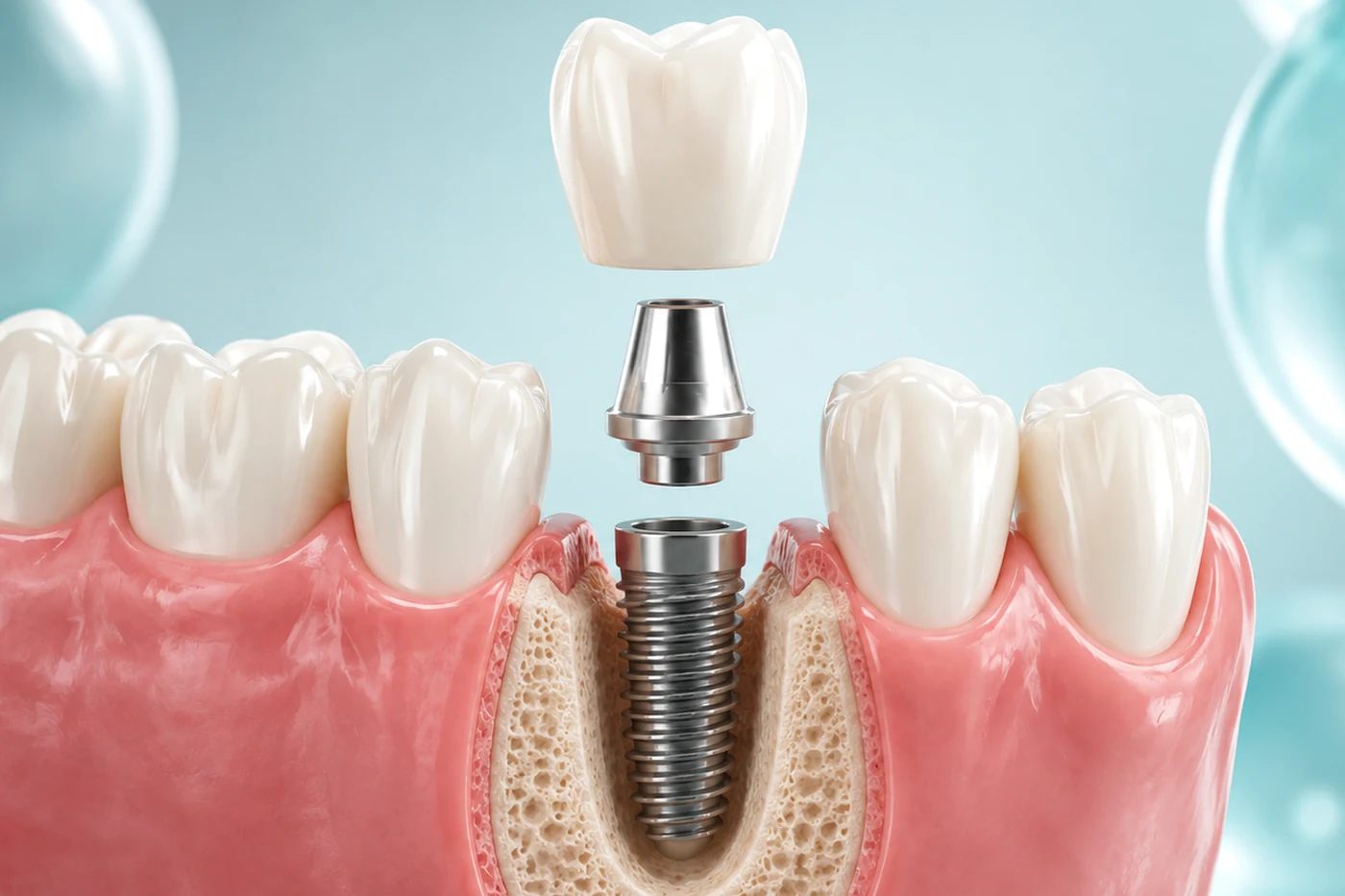
Dental implants replace missing tooth roots with implant fixtures that support a crown, bridge or larger restoration.
An enquiry is not a booking.
Deeper treatment guide
Read the treatment-specific guidance on planning, procedure, recovery and follow-up.
A dental implant is an artificial replacement for a tooth root. The visible tooth is a separate restoration, usually connected through an abutment or another prosthetic component. That means a quote for “one implant” may or may not include the abutment, crown, imaging, extraction, grafting or temporary tooth. Ask for each component in writing.
Planning starts with diagnosis, gum health, available bone, bite and the restorative goal. The implant position should be planned for the final crown or bridge, not simply placed where bone looks easiest.
Guy’s and St Thomas’ NHS describes pre-operative assessment with X-rays and impressions, possible bone grafting, implant placement and later restorative treatment. If bone volume is insufficient, grafting may add months to the overall timeline. Ask whether 3D imaging is needed, whether a graft or sinus procedure is anticipated, and whether this is included in the quote.
After implant placement, bone must integrate with the implant. Cleveland Clinic describes osseointegration as a process that can take several months; Guy’s and St Thomas’ notes that patients commonly wait before the implant supports replacement teeth. A temporary tooth may sometimes be provided early, but “same day” should not automatically be interpreted as the final long-term crown.
Some implant cases can be completed in fewer visits, while others require a healing interval before the final restoration. Ask whether your plan is immediate placement, immediate loading, delayed loading or staged grafting, and what evidence from your scans supports that plan. If a second trip is expected, the timing should be written before you book flights.
Keep a record of the implant system, diameter and length, component or abutment information and final restoration. This can matter years later if a screw, crown or other component needs service in your home country. A recognised brand is useful only if the exact components are documented and the implant is placed and restored appropriately.
Implants can fail to integrate, components can loosen or wear, and gum or bone disease can develop around implants. Guy’s and St Thomas’ notes that smoking can increase the risk of implant failure. Ask how gum health, diabetes, smoking, grinding and hygiene affect your case, and what professional maintenance is expected after you return home.
Cost depends on the number of implants, implant system, extractions, grafting, sedation, temporary restoration, final crown or bridge material, laboratory work and number of visits. Compare itemised scopes rather than a single “implant from” price.
This page supports informed decision-making and does not replace an individual diagnosis. Suitability, medicines, treatment scope and aftercare must be confirmed by the treating clinician or dentist.
01 · Why patients consider this treatment
Start with the problem or goal, not the technique. A qualified treating clinician should confirm whether this procedure is relevant after reviewing your individual circumstances.
Ask what imaging is required, whether bone volume is adequate, and whether grafting or a sinus procedure could change the number of stages.
Confirm the implant manufacturer/system, components used and which records or images you will receive for future dental care.
02 · Suitability & planning
Suitability depends on diagnosis, history, anatomy, expectations and reasonable alternatives. The treating clinic decides which records, tests or examination are needed before a plan can be confirmed.
Ask what imaging is required, whether bone volume is adequate, and whether grafting or a sinus procedure could change the number of stages.
Confirm the implant manufacturer/system, components used and which records or images you will receive for future dental care.
Clarify which steps happen on the first trip, whether a temporary tooth is used and whether a later visit is expected for the final restoration.
Ask how the implant and restoration should be cleaned, reviewed and maintained once you are back home.
03 · How the procedure is planned
The technical steps vary by method, findings and clinic. Ask what will actually happen, who performs the key clinical steps and what could change after the in-person assessment.
04
Records reviewed, clinician and plan confirmed, then practical travel is finalised.
Arrival, final clinical checks, treatment and immediate monitoring under the clinic protocol.
Medication, wound or symptom care, food, fluids and movement according to clinical instructions.
Confirm fitness to travel, take records home and know exactly who to contact after return.
05 · Recovery & results
Early recovery and final outcome are different milestones. Clarify what to expect in the first days, when routine or work may resume, when travel is considered appropriate and when results can be meaningfully assessed.
Your treating clinic confirms patient-specific timing.
Your treating clinic confirms patient-specific timing.
Your treating clinic confirms patient-specific timing.
06 · Important considerations
Risks, limits and warning signs belong in informed consent. Ask what is expected, what is not, and what medical help should be available after you return home.
This page supports better questions; it does not replace individual medical assessment.
Assessment can change method, dates, cost or length of stay.
07 · Your journey with Turkelite
Once the medical plan and dates are confirmed, Turkelite Medcare organises the practical journey around them: information flow, flight timing, pickup, transfers, accommodation, clinic appointments, return travel and follow-up handover.
08 · Questions before you decide
Take these questions into the consultation. Good answers are more useful than marketing promises.
09 · What the written quote should settle
A useful quote does more than show a price: it makes responsibility, scope and the conditions that could change the plan visible.
10 · Find suitable clinic options
Instead of leaving you with a public clinic list, we start with your enquiry and then build a relevant shortlist of independent providers for this treatment area.
Guides

Why follow-up responsibilities and local support should be clarified before treatment is booked.
View treatment guide →
A practical checklist for checking provider identity, clinicians, treatment planning, follow-up and communication.
View treatment guide →
What happens if there is a complication after treatment in Turkey: the pathway to agree before you travel, what your own doctor will and will not do, and why standard travel insurance usually does not cover it.
View treatment guide →Related treatments
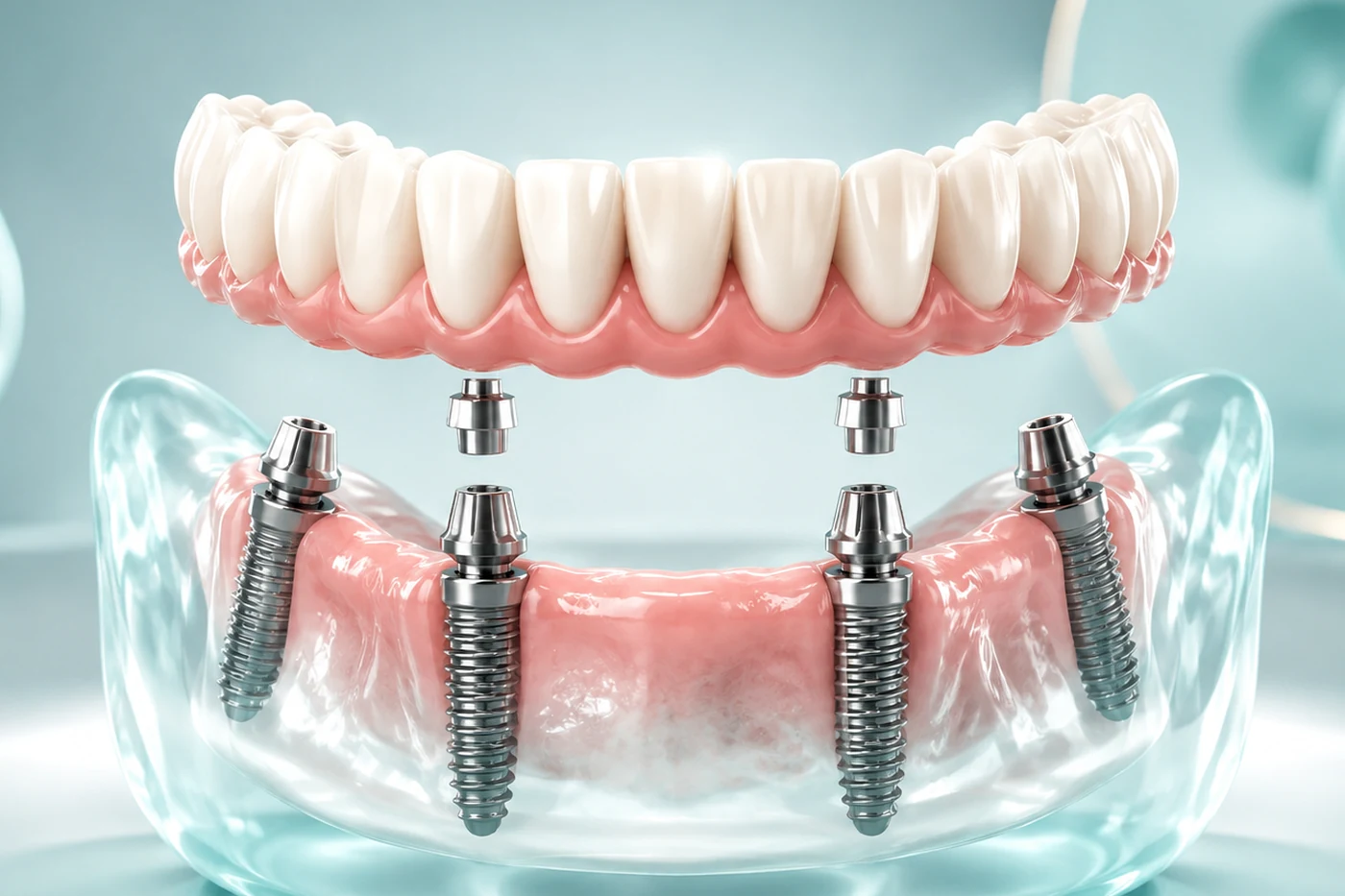
All-on-4 is a full-arch implant concept using four implants to support a fixed restoration in selected cases.
View treatment guide →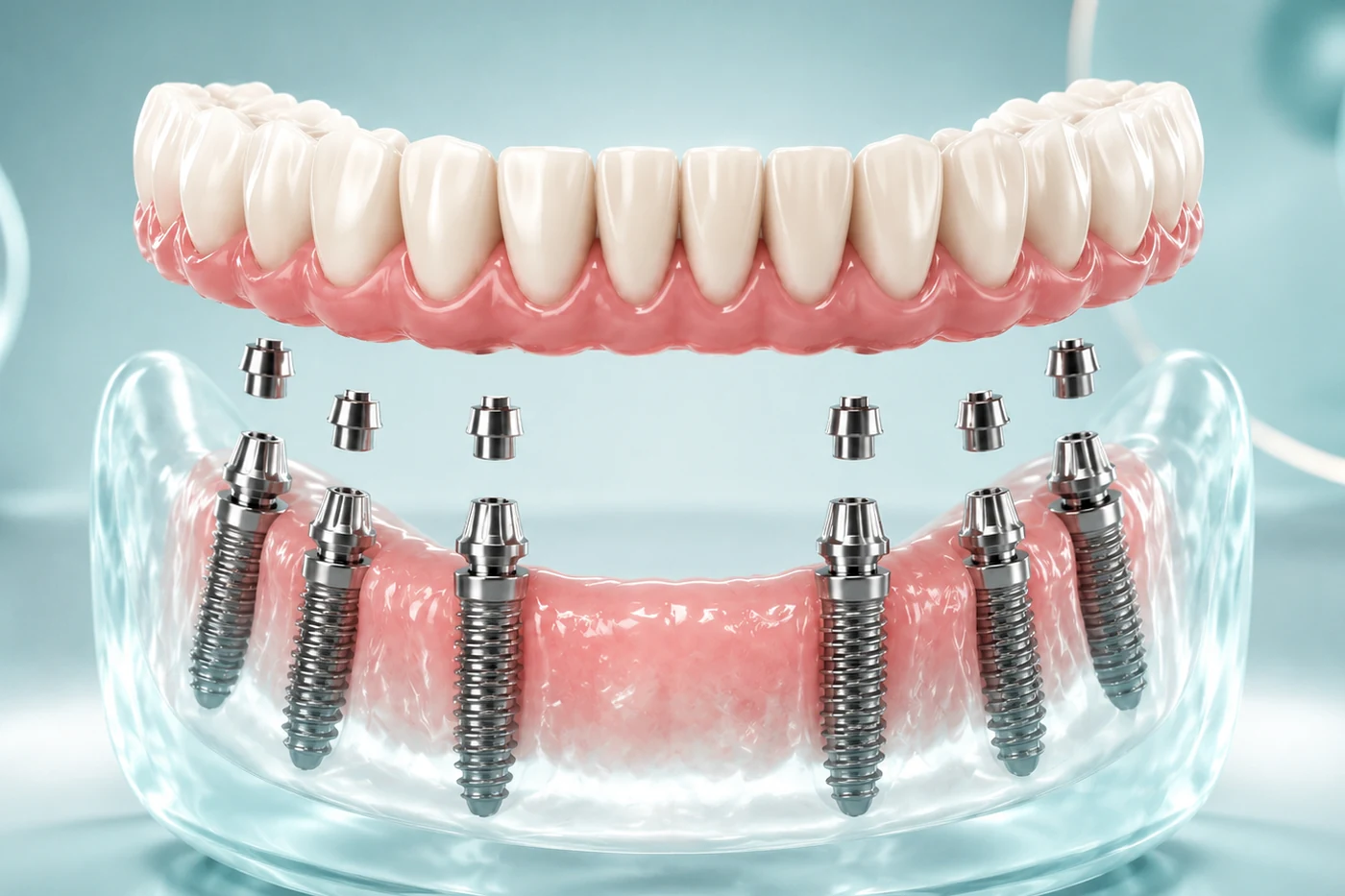
All-on-6 uses six implants to support a fixed full-arch restoration in selected patients, with the final plan determined by bone, bite, anatomy and provider protocol.
View treatment guide →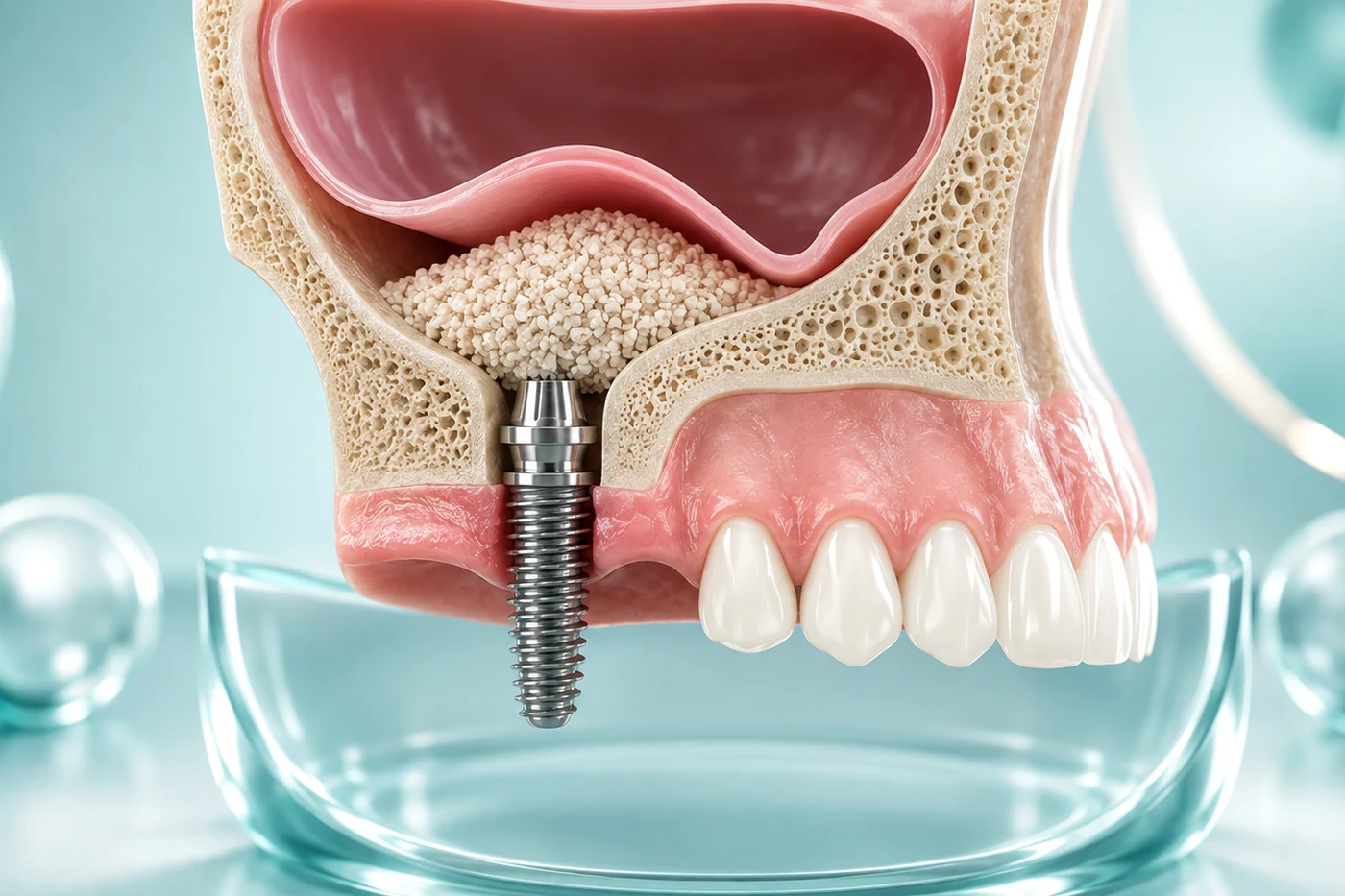
Bone grafting and sinus-lift procedures are used in selected implant cases to create or preserve enough bone for planned implant support.
View treatment guide →Tell us what you are considering. We organise the information for you and route the enquiry to a suitable independent treating clinic for an initial review.
No obligation to book after an enquiry.