Quick answer
Gastric Sleeve Pre-Op Diet: Liver Shrinking Before Surgery: the right answer depends on diagnosis, the actual treatment plan and individual risk factors. Use this article to prepare for consultation, then have the treating clinic confirm timing, medicines, suitability and travel planning for your case.
- Do not confirm treatment before adequate clinical assessment.
- Get scope, risks, aftercare and return-travel criteria in writing.
- For care in Turkey, verify the authorised facility and responsible clinician.
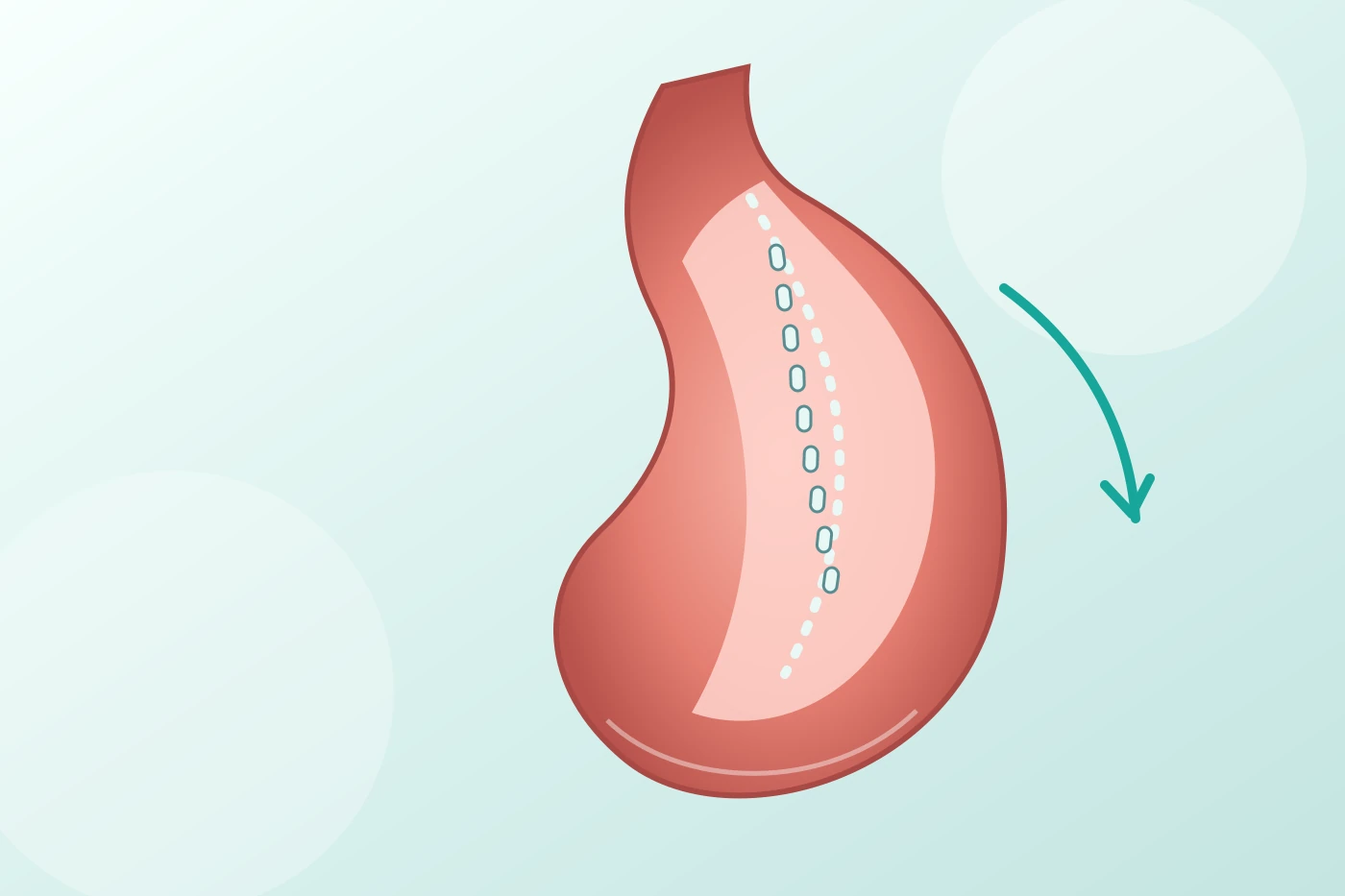
Gastric sleeve pre-op diet is usually a short, structured diet prescribed before bariatric surgery to reduce liver size and abdominal fat, not a last-minute crash diet for cosmetic weight loss. The American Society for Metabolic and Bariatric Surgery states that many surgeons use a special pre-operative diet for about 2 or 3 weeks before surgery to shrink the liver and reduce abdominal fat. Systematic reviews also support short low-energy diets before bariatric surgery, but the exact calories, duration and foods vary between programmes. Start with our Sleeve Gastrectomy page and follow the written diet from the treating bariatric team rather than copying an online menu.
Why Surgeons Use A Liver-Shrinking Diet
The liver sits over the upper stomach and often contains excess fat in people with obesity. A large fatty left liver lobe can make laparoscopic access more difficult during bariatric surgery.
A short energy-restricted diet can reduce liver volume and help the surgeon expose the stomach. The purpose is surgical preparation, not to prove that the patient can lose a certain amount of weight.
How Long Is The Pre-Op Diet?
There is no single universal duration. Many bariatric programmes use approximately 2 to 3 weeks, while research commonly studies low-energy or very-low-energy diets for about 2 to 4 weeks.
Your surgeon may prescribe a different duration based on body mass index, liver size, diabetes, previous surgery, planned procedure and local protocol.
What Does The Research Show?
A systematic review of low-calorie diets before bariatric surgery found that diets of roughly 800–1,200 kilocalories per day for 2–8 weeks reduced liver volume by about 12–27% in the included studies, with much of the effect occurring during the early weeks.
A newer systematic review also found that low-energy and very-low-energy diets used for 2–4 weeks reduce body weight and liver volume. The studies varied, so these numbers should not be turned into a universal prescription.
Is A Very-Low-Calorie Diet Always Better?
No. Greater restriction does not automatically mean a better surgical preparation. Evidence reviews have found that a standard low-energy diet can reduce liver volume effectively, and very severe restriction can make adherence harder or increase side effects in some patients.
The safest approach is the programme your bariatric team has designed for your health, medications and operation.
What Foods Are Usually Included?
Programmes differ. Some use meal replacements, some use measured portions of lean protein and low-carbohydrate foods, and others combine both. The common goal is controlled energy and carbohydrate intake while maintaining adequate protein and fluids.
Do not assume that a menu from another clinic is suitable for you. The plan should specify allowed foods, meal replacements, fluid targets and any supplements.
Why Carbohydrate Restriction Is Often Part Of The Plan
Lower carbohydrate intake reduces stored glycogen, and glycogen is stored together with water. This helps explain why liver volume and body weight can fall quickly during a short pre-operative diet.
The early scale change therefore includes fluid and glycogen changes as well as some body-fat loss.
Pre-Op Diet Before Travelling For Surgery
If you are travelling internationally for sleeve gastrectomy, most of the pre-operative diet will be completed at home before the flight. You should receive the written plan early enough to buy the correct foods or meal replacements and ask questions before travel.
Do not wait until arrival in Turkey to discover that the programme required a 2-week or 3-week liver-reduction diet.
What If You Have Diabetes?
A low-energy diet can lower blood glucose quickly. If you use insulin or medicines that can cause low blood sugar, doses may need clinical adjustment before and during the pre-operative diet.
Do not change diabetes medicines on your own. Ask the treating bariatric team and the clinician who manages your diabetes for a written medication plan.
What About Blood Pressure Medicines, Diuretics And Other Drugs?
Reduced food and fluid intake can affect blood pressure, hydration and how some medicines are tolerated. The pre-operative plan should include a medication review rather than focusing on food alone.
Do not stop prescription medicines simply because they are not mentioned on a diet sheet. The anaesthetic and surgical teams should tell you what to continue, adjust or withhold.
What About GLP-1 Or GIP-Based Weight-Loss Medicines?
Medicines used for obesity and diabetes can affect appetite, blood glucose and gastric emptying. Peri-operative instructions for these medicines can change as professional guidance evolves.
Tell the anaesthetic and surgical teams exactly what you take and when the last dose was given. Follow their current medication instructions rather than using an old online rule.
Hydration Still Matters
A liver-shrinking diet should not become intentional dehydration. The team should tell you which calorie-free fluids are allowed and when normal drinking must stop before anaesthesia.
Dark urine, dizziness, inability to keep fluids down or repeated vomiting should be reported, especially if you are still at home preparing to travel.
Do Not Add Extra Fasting Days Yourself
More restriction is not necessarily safer. Extending the diet or adding fasting without clinical advice can increase dehydration, low blood sugar and nutritional problems without proving that surgery will be easier.
Follow the prescribed start date and the separate fasting instructions for the hours immediately before anaesthesia.
What Should Be Confirmed Before You Fly?
- The exact start date and duration of the liver-shrinking diet.
- Allowed foods, meal replacements and portion sizes.
- Daily protein and fluid targets.
- How diabetes and other medicines should be managed.
- Which supplements should continue.
- The final fasting instructions before anaesthesia.
- What to do if you cannot tolerate the diet.
- Who to contact before travel if blood glucose or blood pressure becomes abnormal.
Questions To Ask The Bariatric Team
- How many days should I follow the pre-operative diet?
- What is the purpose of this specific diet in my case?
- What foods or meal replacements are allowed?
- What are my protein and fluid targets?
- How should my diabetes medicines be adjusted?
- Do any other medicines need to change?
- What symptoms mean I should contact the team?
- What happens if I cannot complete the diet exactly?
- When do I switch from the diet to the final fasting instructions?
How Turkelite Medcare Coordinates The Pre-Travel Plan
Turkelite Medcare is a patient coordination service, not the bariatric dietitian, surgeon or anaesthetist. We do not prescribe the liver-shrinking diet or change medicines.
Our role is to help organise the written clinic instructions, records, appointments, travel timing and questions before departure after the treating team confirms the plan. See patient services.
Frequently Asked Questions
How Long Is The Liver-Shrinking Diet Before Gastric Sleeve?
Many programmes use about 2 to 3 weeks, while research commonly studies 2 to 4 weeks. Your own bariatric team should set the exact duration.
Does The Pre-Op Diet Really Shrink The Liver?
Yes. Systematic reviews show that short low-energy diets can reduce liver volume before bariatric surgery, although the size of the effect varies.
Can I Start The Diet Earlier To Lose More Weight?
Do not extend or intensify the diet without clinical advice. More restriction is not automatically safer or more effective.
Should I Stop Diabetes Medicine During The Pre-Op Diet?
Not on your own. The diet can lower blood glucose quickly, so medication changes should be made by the clinicians managing your surgery and diabetes.
The Pre-Op Diet Is Part Of The Operation Plan
The most useful way to think about the liver-shrinking diet is as a short surgical-preparation phase. Start it on the date your team gives you, follow the written foods and fluids, review medicines in advance and have a contact route before you travel.
Sources and further reading
- NHS: What is weight loss surgery?
- NHS: Overweight and obesity in adults
- Republic of Türkiye Ministry of Health: International health tourism regulation
These sources support general patient information. Individual medical recommendations must come from the treating clinician.
View the related treatment area
This content is for general information and does not replace individual medical advice, diagnosis or treatment. Discuss treatment suitability, risks and recovery with a qualified healthcare professional.