Quick answer
Gastric Sleeve Weight Loss Timeline: Month by Month: the right answer depends on diagnosis, the actual treatment plan and individual risk factors. Use this article to prepare for consultation, then have the treating clinic confirm timing, medicines, suitability and travel planning for your case.
- Do not confirm treatment before adequate clinical assessment.
- Get scope, risks, aftercare and return-travel criteria in writing.
- For care in Turkey, verify the authorised facility and responsible clinician.
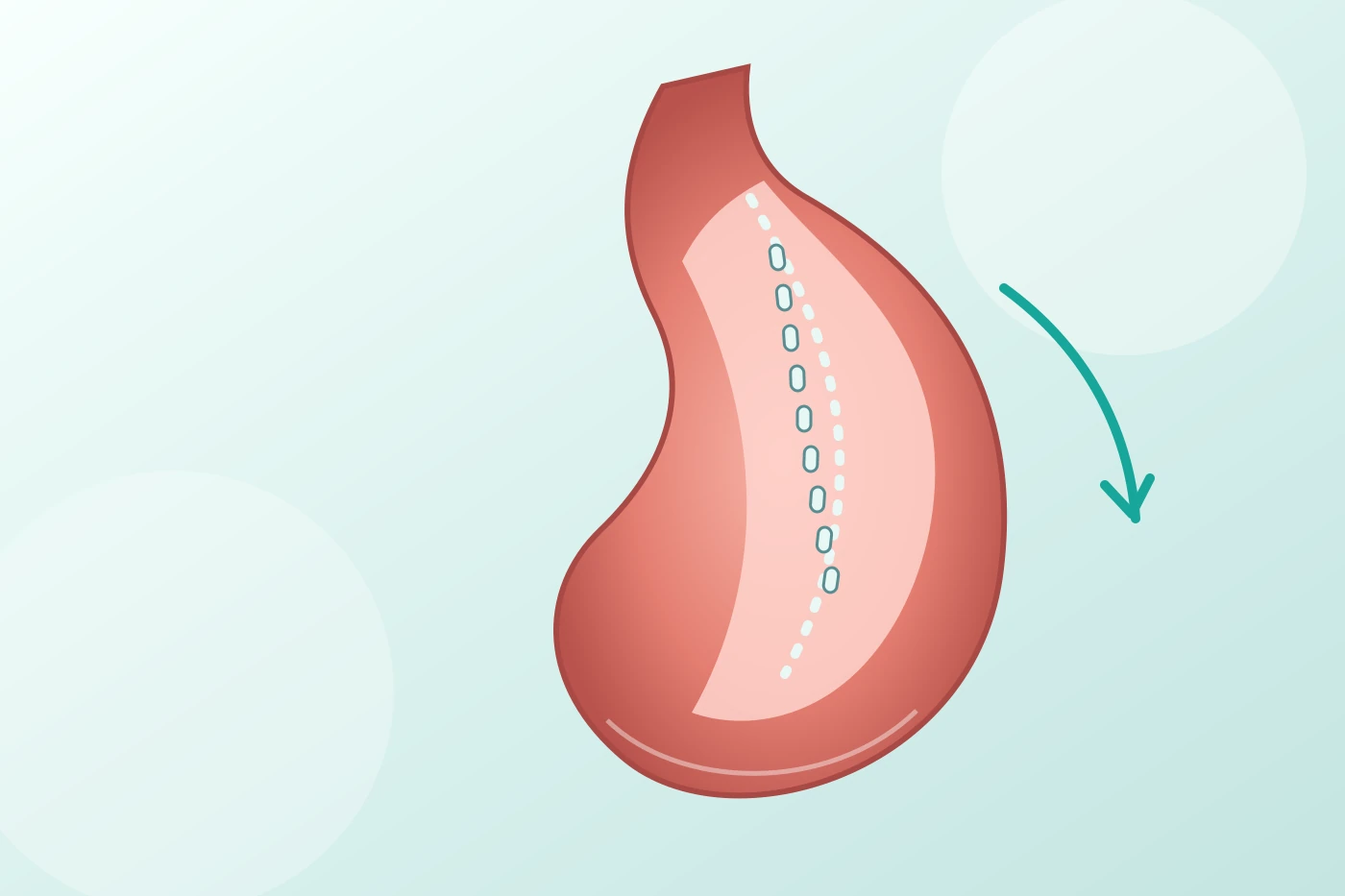
Gastric sleeve weight loss timeline is not a fixed schedule. Weight usually falls fastest during the early months, then the rate slows as intake increases, the body adapts and the patient moves toward a longer-term plateau. The British Obesity and Metabolic Surgery Society states that people lose about 20–30% of total body weight on average after sleeve gastrectomy, but individual outcomes vary. Research also shows large differences between patients by 3, 6 and 12 months. Start with our Sleeve Gastrectomy page and use the timeline below as an orientation, not a target you must match.
Before Reading A Month-By-Month Timeline
Weight loss after sleeve gastrectomy is influenced by starting weight, diabetes, sleep apnoea, age, eating behaviour, physical activity, medicines, surgical technique and follow-up. Two patients can follow the same programme and lose weight at different rates.
Daily scale changes are also affected by hydration, bowel contents, sodium, menstrual cycles and inflammation. A short pause does not automatically mean the operation has failed.
Month 1: Rapid Change, But Not All Of It Is Body Fat
The first month often shows a noticeable drop because intake is sharply reduced and the body is also losing fluid and glycogen. At the same time, the patient is moving through the early postoperative diet stages and recovering from surgery.
The main priorities are hydration, protein, prescribed supplements, safe movement and recognising warning signs. The scale should not take priority over avoiding dehydration or persistent vomiting.
Months 2 To 3: Weight Loss Usually Continues Quickly
By months 2 and 3, food texture is usually progressing and activity is increasing, but portions remain much smaller than before surgery. Many patients continue to lose weight rapidly during this period.
A prospective study found substantial total weight loss by 3 months, but also showed wide variation between individuals. Early weight loss can help predict later outcomes, yet it should not be used as a guarantee.
Months 4 To 6: The Rate Can Start To Slow
Weight loss commonly continues through months 4 to 6, but the weekly rate may be less dramatic than during the first weeks. Appetite, food variety and activity patterns are changing, so follow-up becomes increasingly important.
This is also a useful time to review protein intake, meal structure, fluids, physical activity, vitamin and mineral use, and any medications that may affect weight.
Months 7 To 9: Progress Often Becomes Less Linear
During months 7 to 9, some weeks may show weight loss and others little change. This pattern can occur even when overall progress remains appropriate.
If weight has stopped changing for a prolonged period, the bariatric team should review intake, activity, sleep, medicines, eating behaviour and any medical or surgical factor instead of assuming the answer is simply to eat less.
Months 10 To 12: The First-Year Picture Becomes Clearer
By 12 months, many patients are closer to their longer-term weight trajectory, although further loss can continue after the first year. A meta-analysis of sleeve studies reported approximately 30.5% pooled total weight loss at 12 months in the included cohorts, while other professional guidance gives a broader average of about 20–30% total body weight after surgery.
Those figures describe groups, not an individual goal. Baseline body mass index and other clinical factors strongly affect how the same percentage translates into kilograms.
After 12 Months: Weight Loss May Continue, Then Stabilise
Weight can continue to fall beyond the first year, but the rate usually becomes slower. Older systematic evidence found excess-weight loss continuing to improve into the second year in many cohorts.
Later stability is expected. The aim is not to keep losing indefinitely, but to reach and maintain a healthier long-term weight while protecting nutrition and metabolic health.
Weight Loss After Gastric Sleeve Month by Month Is Not A Straight Line
A month-by-month chart can make the process look smoother than real life. Most patients experience weeks when weight changes little despite following the programme.
Judge the trend across several weeks and clinical reviews rather than reacting to every daily measurement.
What Is A Gastric Sleeve Weight Loss Stall?
A weight-loss stall is a period when body weight changes little after previously falling. There is no single universally accepted duration that defines a stall after sleeve gastrectomy.
Short plateaus can occur as fluid balance and energy needs change. A persistent plateau, especially with regain or poor nutrition, deserves structured review rather than an extreme self-directed diet.
What Should Be Checked During A Stall?
- Protein intake and meal pattern.
- Liquid calories, grazing or frequent snacking.
- Hydration and constipation.
- Physical activity and loss of muscle mass.
- Sleep and stress.
- Medicines that can affect weight.
- Eating behaviour and loss of restriction or satiety.
- Follow-up laboratory tests and nutritional deficiencies.
When A Stall Is Not The Main Problem
Persistent vomiting, inability to keep fluids down, severe abdominal pain, fever, breathing difficulty, black stools or signs of dehydration need medical assessment. Those symptoms should not be explained away as part of a normal weight-loss stall.
Seek urgent local care for severe or rapidly worsening symptoms, especially after international surgery.
How To Track Progress More Usefully
Use the same scale and similar conditions, but do not rely on body weight alone. Waist measurement, mobility, blood pressure, blood glucose, medication changes and improvement in obesity-related disease can also show progress.
Your bariatric team may use total weight loss, excess weight loss or body mass index change. Make sure you know which measure is being discussed because the percentages are not interchangeable.
Questions To Ask At Follow-Up
- Is my weight-loss rate within a reasonable range for my starting point?
- Which measure are we using: total weight loss or excess weight loss?
- Am I meeting protein and fluid goals?
- Are my supplements and blood tests appropriate?
- Is a current plateau long enough to need investigation?
- Could medicines or another condition be affecting weight?
- When should weight regain trigger a specialist review?
- What follow-up should continue after the first year?
How Turkelite Medcare Coordinates Long-Term Follow-Up
Turkelite Medcare is a patient coordination service, not the bariatric team. We do not set a patient’s target weight or decide whether a plateau is medically normal.
Our role is to organise provider questions, records, appointments, travel and the return-home handover around the plan confirmed by the treating team. See patient services.
Frequently Asked Questions
How Much Weight Will I Lose In The First Month After Gastric Sleeve?
There is no reliable single number for every patient. The first month often shows rapid change, but part of the early drop is fluid and glycogen rather than body fat alone.
When Is Weight Loss Fastest After Gastric Sleeve?
Weight loss is usually fastest during the early postoperative months and then slows over time.
Is A Weight Loss Stall Normal After Gastric Sleeve?
Short plateaus are common, but a prolonged stall or regain should be reviewed with the bariatric team rather than treated with an extreme self-directed diet.
How Much Total Weight Do People Lose After Sleeve Gastrectomy?
Professional guidance commonly describes average total body weight loss of roughly 20–30%, but individual results vary substantially.
Follow The Trend, Not A Perfect Monthly Number
A realistic gastric sleeve timeline is rapid early change, slower ongoing loss and eventual stabilisation. The important comparison is your own clinical trend together with nutrition, symptoms and follow-up, not whether your scale matches someone else’s month-by-month chart.
Sources and further reading
- NHS: What is weight loss surgery?
- NHS: Overweight and obesity in adults
- Republic of Türkiye Ministry of Health: International health tourism regulation
These sources support general patient information. Individual medical recommendations must come from the treating clinician.
View the related treatment area
This content is for general information and does not replace individual medical advice, diagnosis or treatment. Discuss treatment suitability, risks and recovery with a qualified healthcare professional.