


Why a crown is needed
Ask what problem the crown is intended to solve and whether alternatives exist before healthy tooth structure is prepared.

Dental crowns cover and restore teeth that need structural protection or major reshaping.
An enquiry is not a booking.
Deeper treatment guide
Read the treatment-specific guidance on planning, procedure, recovery and follow-up.
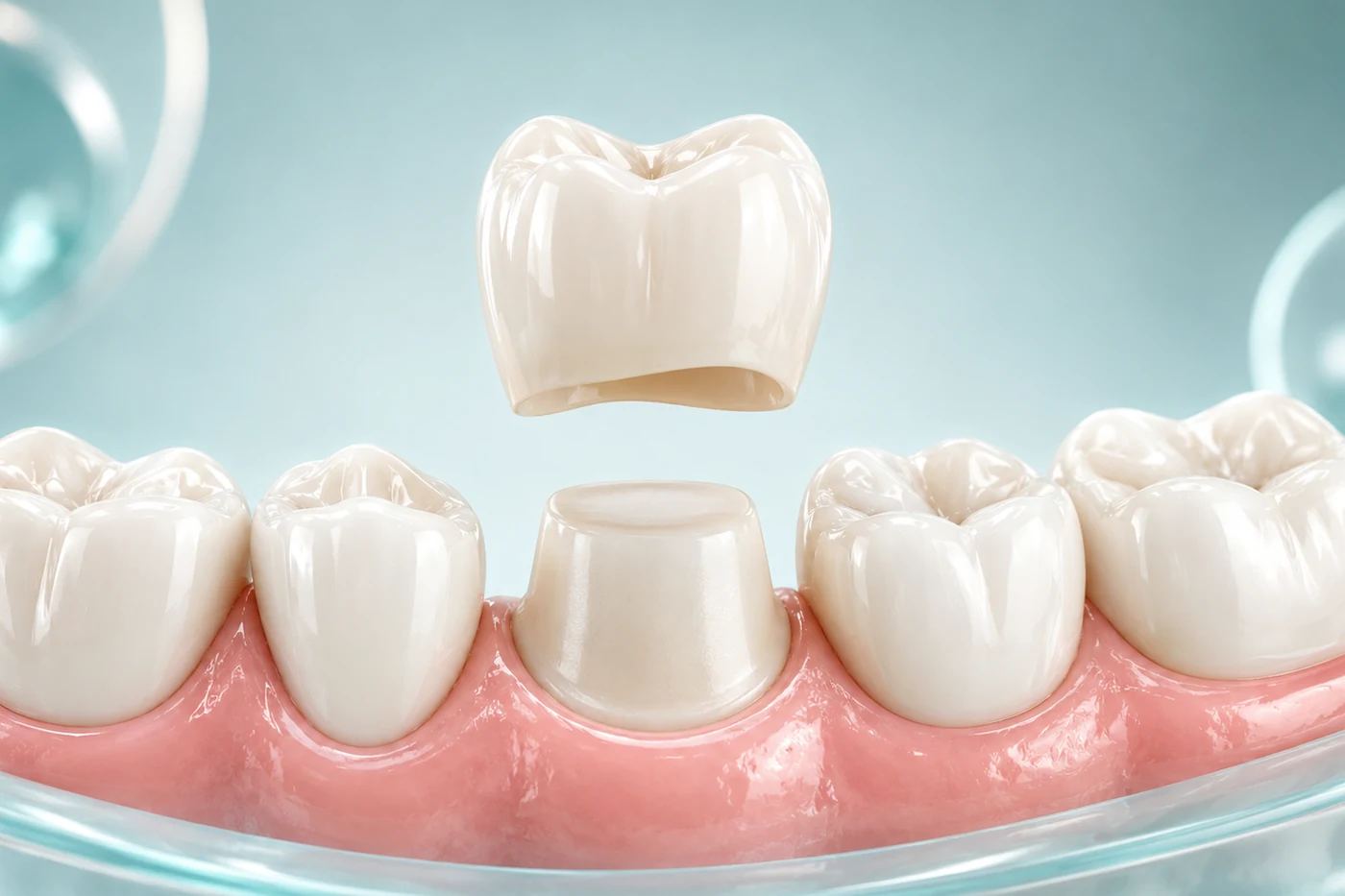
A crown completely covers the visible part of a tooth. The ADA notes that crowns can strengthen teeth with large fillings, protect weak or broken teeth, improve shape or appearance and cover dental implants. The NHS also notes that the natural tooth must be shaped so the crown can fit. That means crown treatment removes tooth structure and should have a clear reason for each tooth.
If a cosmetic package proposes many crowns, ask which teeth are structurally damaged and which are being treated mainly for colour or shape. Healthy teeth should not automatically receive full crowns when a less invasive option could meet the goal.
The alternatives depend on the diagnosis. A veneer covers mainly the front surface, bonding adds tooth-coloured material, whitening changes colour and orthodontics changes tooth position. A crown may be appropriate when a tooth needs substantial structural protection, but it is not simply a “stronger veneer.” Ask why the proposed option is preferred and what healthy tooth structure will be removed.
Some teeth need root-canal treatment because the pulp is infected or irreversibly inflamed; other teeth do not. Ask whether any root canal is planned, what diagnosis supports it and whether the decision is being made before or after tooth preparation. A package should not present root-canal treatment as a routine add-on to every crown.
Zirconia, lithium-disilicate ceramics such as E.max, metal-ceramic and other materials have different optical and mechanical properties. The best choice depends on front versus back tooth, available thickness, bite forces, opposing teeth, colour of the underlying tooth and the laboratory design. Ask for the material and laboratory prescription in writing rather than accepting “premium zirconium” as a complete explanation.
After tooth preparation, temporary crowns may protect teeth while the laboratory makes the final restorations. Before cementation, the dentist should assess fit, margins, contacts, shape, colour and bite. If many crowns are being placed, small bite errors can become significant. Ask what happens if you are unhappy with shape or if the bite feels high before you fly home.
Cost can vary by material, number of teeth, laboratory, need for build-ups or posts, gum treatment, root-canal treatment, temporary restorations and remakes. Compare itemised treatment plans and not just a per-tooth price. A lower crown price may exclude procedures that another quote includes.
This page supports informed decision-making and does not replace an individual diagnosis. Suitability, medicines, treatment scope and aftercare must be confirmed by the treating clinician or dentist.
01 · Why patients consider this treatment
Start with the problem or goal, not the technique. A qualified treating clinician should confirm whether this procedure is relevant after reviewing your individual circumstances.
Ask what problem the crown is intended to solve and whether alternatives exist before healthy tooth structure is prepared.
Clarify crown material, expected tooth reduction and whether existing fillings, decay or cracks could change the plan.
02 · Suitability & planning
Suitability depends on diagnosis, history, anatomy, expectations and reasonable alternatives. The treating clinic decides which records, tests or examination are needed before a plan can be confirmed.
Ask what problem the crown is intended to solve and whether alternatives exist before healthy tooth structure is prepared.
Clarify crown material, expected tooth reduction and whether existing fillings, decay or cracks could change the plan.
Ask what findings could make root-canal treatment necessary and how that would affect timing, cost and the final restoration.
Confirm whether a temporary crown is needed and reserve time for fit, contacts and bite adjustment.
03 · How the procedure is planned
The technical steps vary by method, findings and clinic. Ask what will actually happen, who performs the key clinical steps and what could change after the in-person assessment.
04
Records reviewed, clinician and plan confirmed, then practical travel is finalised.
Arrival, final clinical checks, treatment and immediate monitoring under the clinic protocol.
Medication, wound or symptom care, food, fluids and movement according to clinical instructions.
Confirm fitness to travel, take records home and know exactly who to contact after return.
05 · Recovery & results
Early recovery and final outcome are different milestones. Clarify what to expect in the first days, when routine or work may resume, when travel is considered appropriate and when results can be meaningfully assessed.
Your treating clinic confirms patient-specific timing.
Your treating clinic confirms patient-specific timing.
Your treating clinic confirms patient-specific timing.
06 · Important considerations
Risks, limits and warning signs belong in informed consent. Ask what is expected, what is not, and what medical help should be available after you return home.
This page supports better questions; it does not replace individual medical assessment.
Assessment can change method, dates, cost or length of stay.
07 · Your journey with Turkelite
Once the medical plan and dates are confirmed, Turkelite Medcare organises the practical journey around them: information flow, flight timing, pickup, transfers, accommodation, clinic appointments, return travel and follow-up handover.
08 · Questions before you decide
Take these questions into the consultation. Good answers are more useful than marketing promises.
09 · What the written quote should settle
A useful quote does more than show a price: it makes responsibility, scope and the conditions that could change the plan visible.
10 · Find suitable clinic options
Instead of leaving you with a public clinic list, we start with your enquiry and then build a relevant shortlist of independent providers for this treatment area.
Guides

Why follow-up responsibilities and local support should be clarified before treatment is booked.
View treatment guide →
A practical checklist for checking provider identity, clinicians, treatment planning, follow-up and communication.
View treatment guide →
What happens if there is a complication after treatment in Turkey: the pathway to agree before you travel, what your own doctor will and will not do, and why standard travel insurance usually does not cover it.
View treatment guide →Related treatments
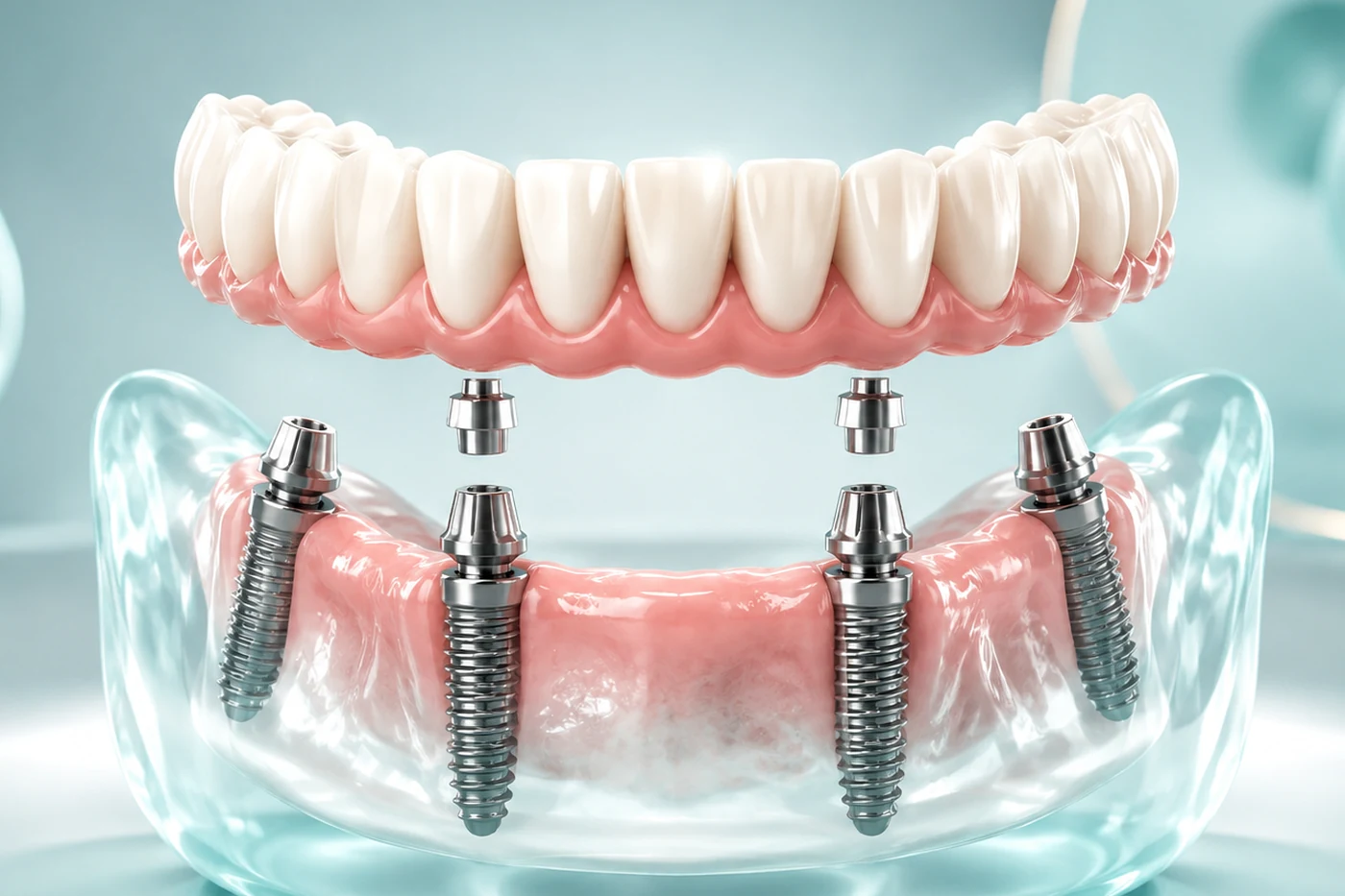
All-on-4 is a full-arch implant concept using four implants to support a fixed restoration in selected cases.
View treatment guide →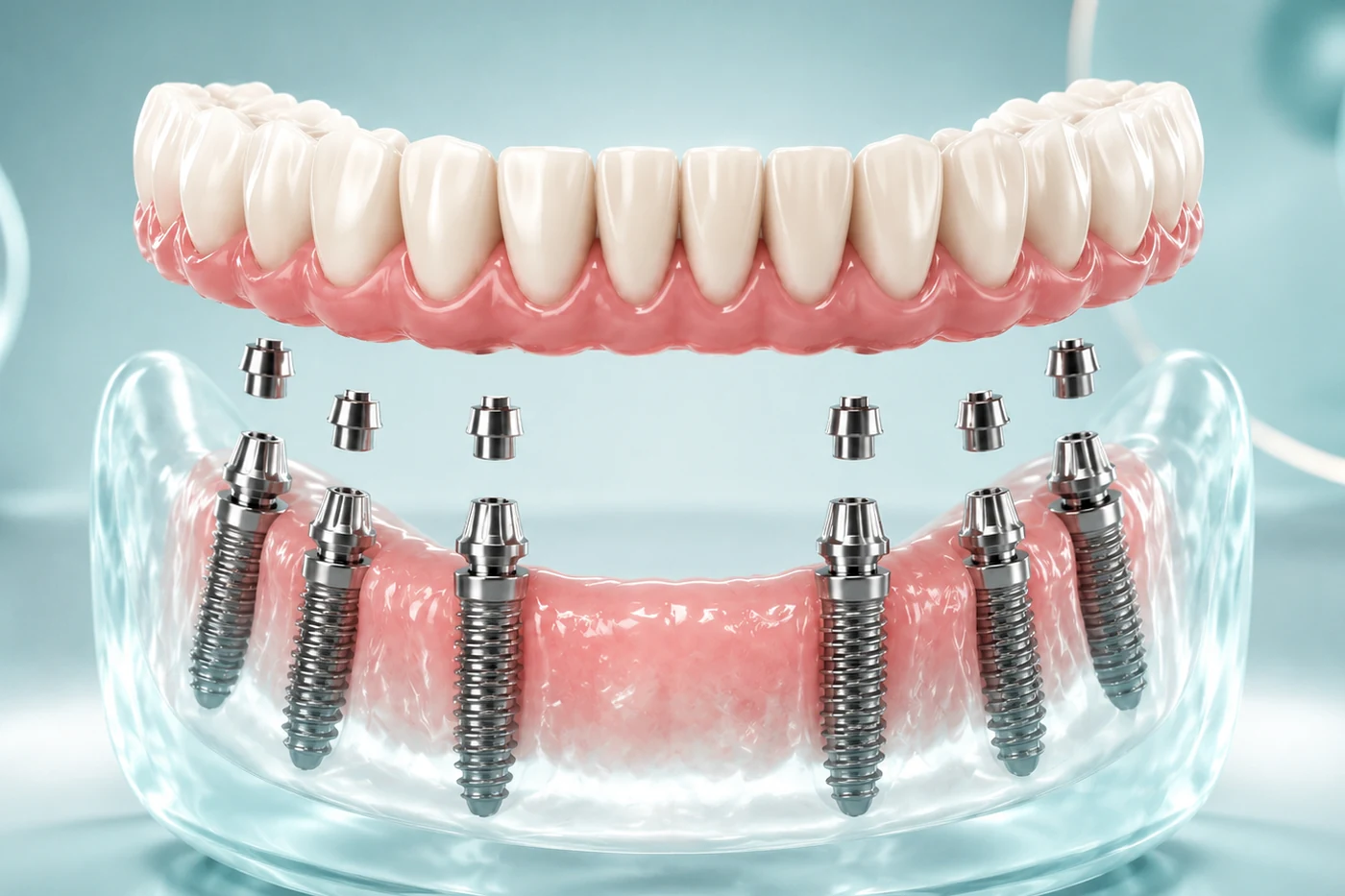
All-on-6 uses six implants to support a fixed full-arch restoration in selected patients, with the final plan determined by bone, bite, anatomy and provider protocol.
View treatment guide →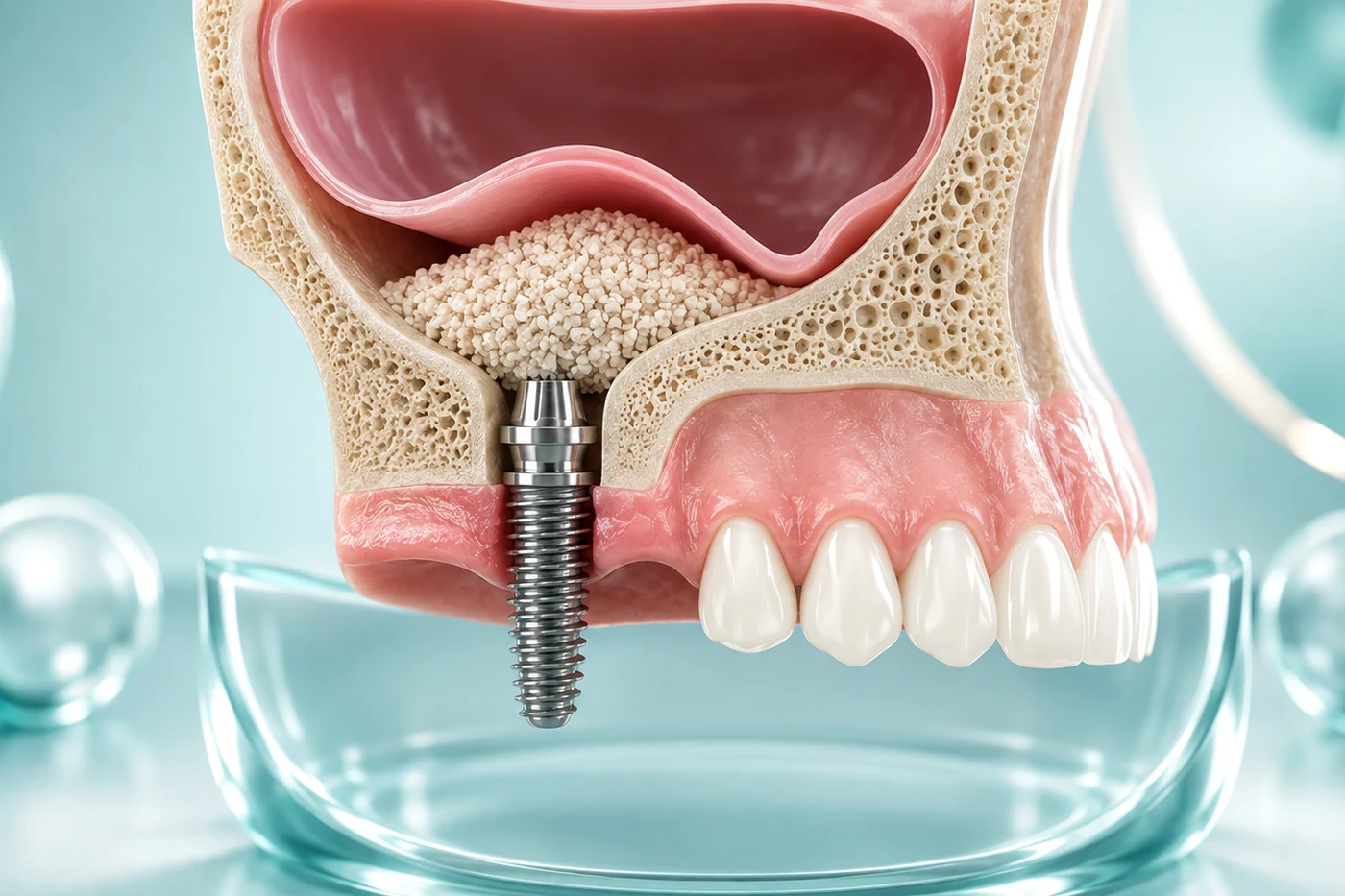
Bone grafting and sinus-lift procedures are used in selected implant cases to create or preserve enough bone for planned implant support.
View treatment guide →Tell us what you are considering. We organise the information for you and route the enquiry to a suitable independent treating clinic for an initial review.
No obligation to book after an enquiry.